Sulaiman Khatib
“We have common enemies: hatred, fear and collective trauma. If we could somehow unite against these common foes, we could end the conflict together.”
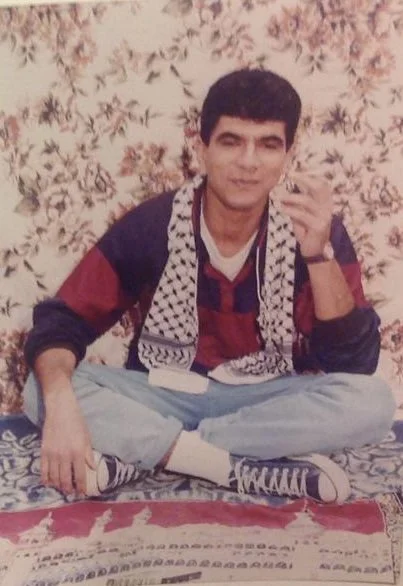
I grew up in a village called Hizma, in northeast Jerusalem. I came from an indigenous community that is deeply rooted in and connected to the land. I used to walk with our sheep after school, taking my flute and spending long hours in the mountains. When I was young, I used to travel to my family’s land with my grandfather, riding a donkey, in order to harvest the figs, grapes and olives in our orchards and farms. Our family had lived on this land for generations. We were even registered in the Ottoman archive as far back as the fifteenth century. The local folklore, traditions, dress and songs were passed down to me from my ancestors and treated with deep reverence.
Jerusalem was the center of our lives: this is where I went to secondary school and where my father worked. As a child I even played soccer with Jewish kids from Neve Yaakov, a neighborhood in the North Jerusalem.
When I got a bit older, around 13 years old, I became more interested in the Palestinian struggle for liberation. I started to secretly listen to revolutionary music and hide revolutionary magazines under my bed. In my school, discussing politics was banned. The Palestinian flag was illegal, and even saying the word “Palestine” could get us thrown in jail. I connected with Palestinian prisoners and activists, and it opened my eyes about our situation under occupation.
In 1986, when I was 14 years old, I informally joined the Fatah Youth Movement. I threw stones at soldiers, wrote graffiti on public buildings, hung Palestinian flags and prepared molotov cocktails. Soon enough, I felt stones were no longer enough. I wanted to steal guns from Israeli soldiers with a friend who’s home had been demolished. We stabbed two Israeli soldiers in the back. They were slightly wounded and we managed to escape.
We got arrested three days later. I was put in temporary detention and received my sentence 一 fifteen years of prison 一 when I turned 15 years old. The Israeli army also invaded my mother’s home and barricaded off my room with concrete. During my time in jail, two of my brothers were also arrested and imprisoned. It broke my mother’s heart.
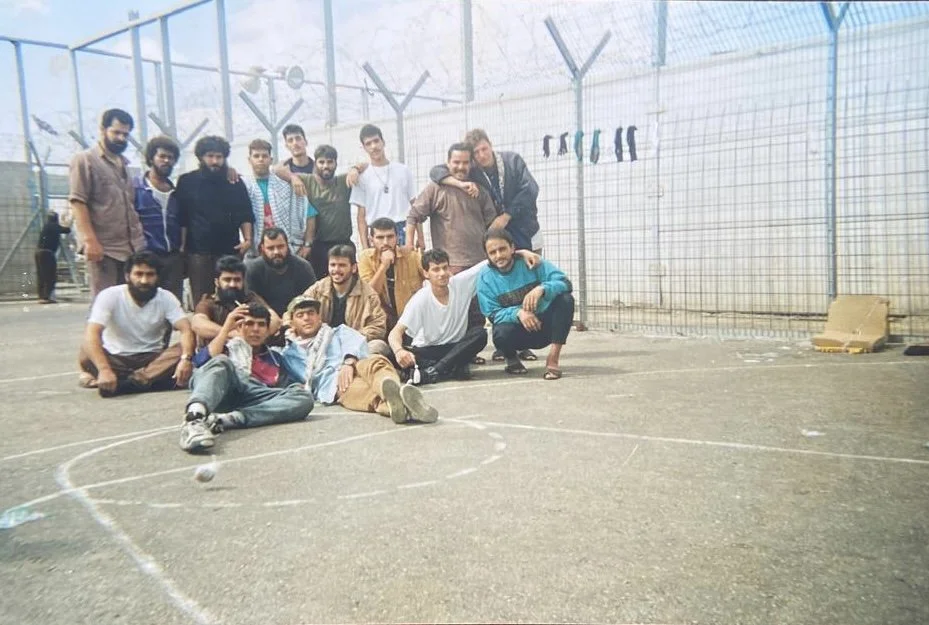
During the first two and a half years of my imprisonment, I was placed in the juvenile section of the Hebron detention center. The management and staff were extremely cruel. Torture was routine: beating prisoners, spraying tear gas into prison cells, and violently stripping prisoners happened on a daily basis 一 and this was just in the juvenile section.
There were many additional problems. For example, there was rarely enough water for drinking and showering. To improve our conditions, I joined hunger strikes, eating nothing and drinking only salted water for as long as 17 consecutive days. It was through these hunger strikes that I first learned about nonviolent struggles and the virtue of patience.
Later on, I was transferred to the Janad jail next to Nablus. There, I worked in the library and had the opportunity to read a lot. I never had a chance to get a formal education, but I educated myself in jail. We used to call prison the “Revolutionary University.”
In addition to reading and watching documentaries, I took part in daily learning groups. I became exposed to new thoughts about the conflict and the means to solve it. In an attempt to learn about the “enemy,” I studied the history of the Jewish people and taught myself both Hebrew and English. It was then that I realized that there were multiple narratives to the conflict. Watching Schindler’s List deeply moved me and changed my life forever. I realized that these “enemies” were actually human beings who were also suffering. The journey of my transformation was painful, but it was also deeply spiritual. Slowly, I reconstructed my worldview.
I realized I had mistaken the enemy. I had thought it was the Jewish people, but I was wrong. Instead, we have common enemies: hatred, fear and collective trauma. I knew that if we could somehow unite against these common foes, we could end the conflict together. Our land does not belong to the Jews or the Palestinians only. We both belong to the land. Reading the writings of Mahatma Gandhi, Nelson Mandela and Dr. Martin Luther King Jr. made me realize that there was no military solution to our conflict. The only possible solution is a joint, nonviolent struggle for peace, freedom, security and human rights for all.
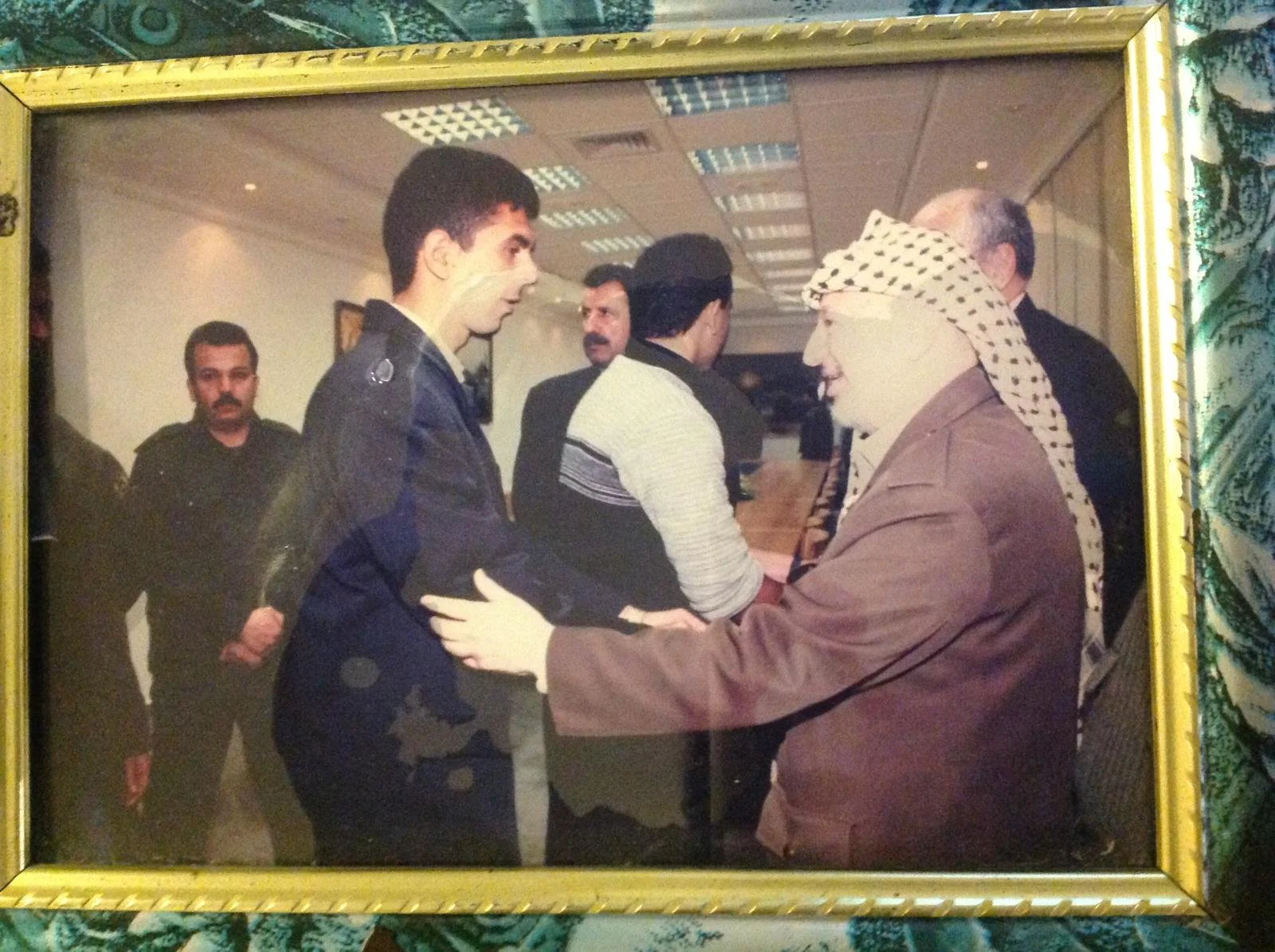
In 1997, after ten years and five months in jail, I was freed. With a group of friends, we established the Abu Sukar Centre for Peace (later Al-Quds Association for Democracy and Dialogue). We hosted Palestinian-Israeli youth programs, where we would use soccer to bring children together.
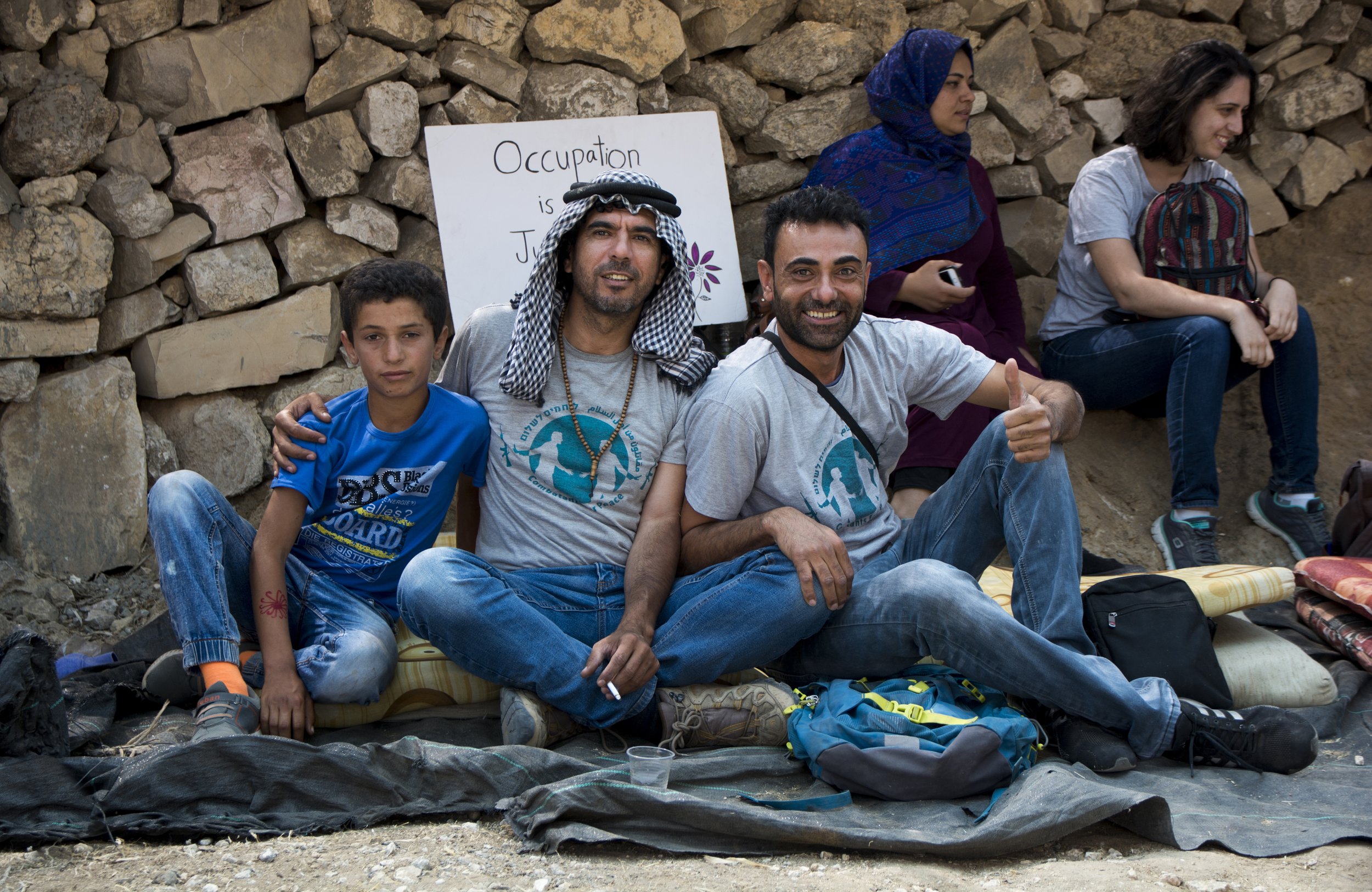
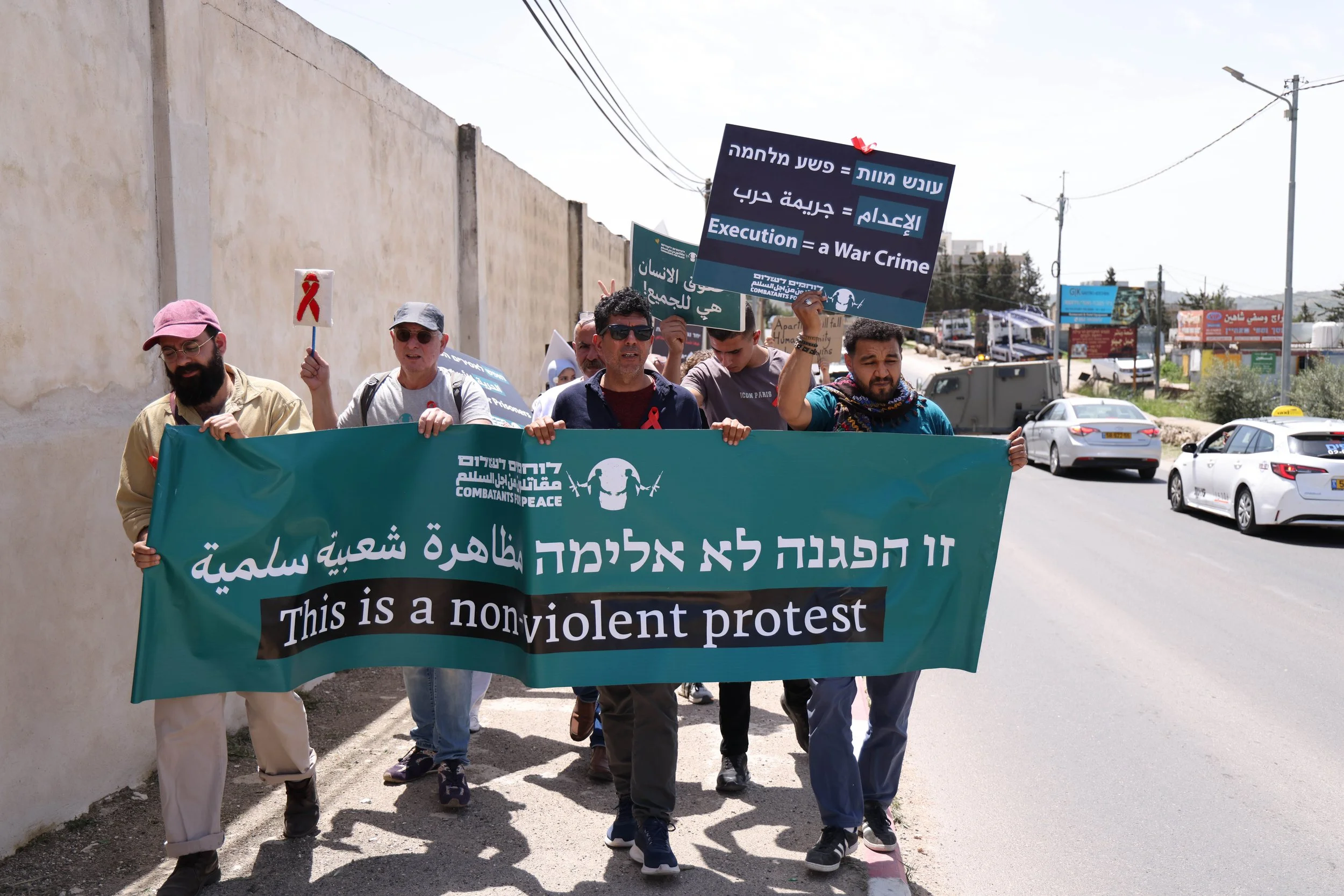
In January 2004, I joined the first Palestinian-Israeli mission to Antarctica. In 2005, a few friends and I started engaging in secret meetings with former Israeli soldiers. These meetings eventually led to the establishment of Combatants for Peace in 2006. It has not been easy: we still face checkpoints, ever expanding settlements and the separation wall keeping our us apart. But together we hold firm to our resolutions of community building and nonviolent struggle.
It is the combatants who fought in this war who must take responsibility for our part in perpetuating the violence. We are the ones with the power to end it. Today, I stand with my brothers and sisters, both Palestinians and Israelis. I know there is a way forward to freedom and life for everyone in our beloved homeland 一 it only takes a bit of forgiveness and a small amount of love. Together, we can bring peace, freedom and human rights for all.