Joint Nakba
Remembrance Ceremony
Joint Nakba
Remembrance Ceremony
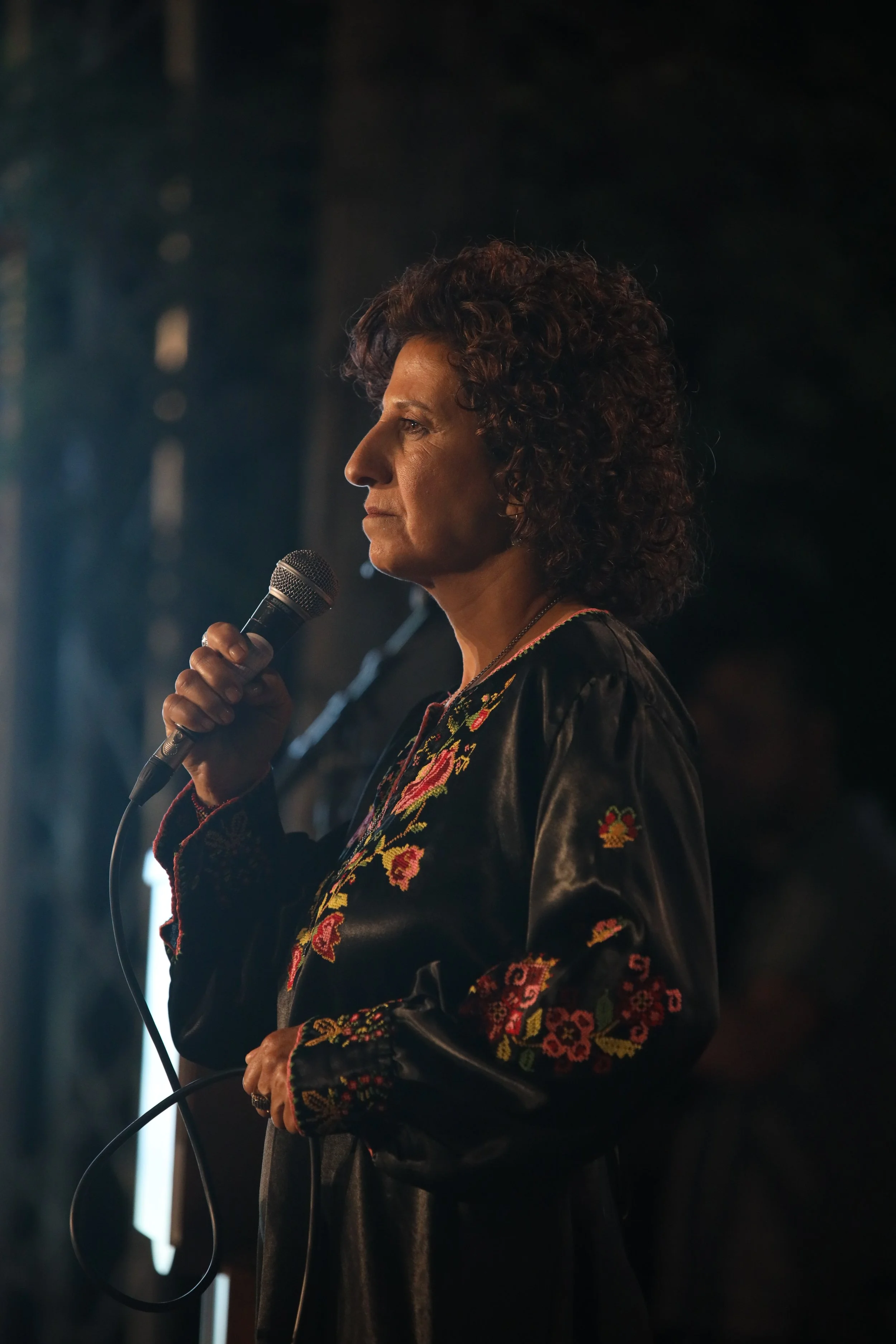
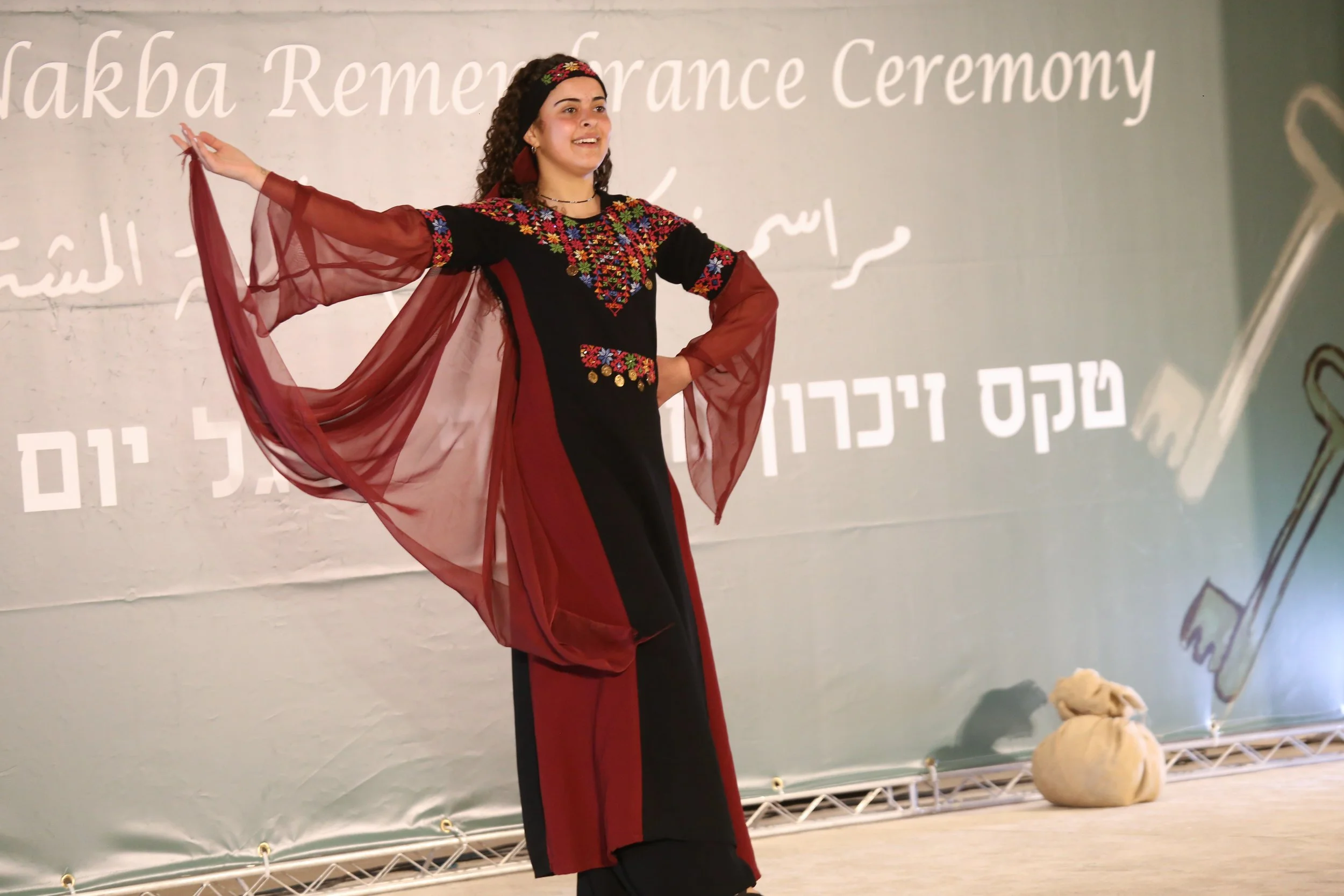
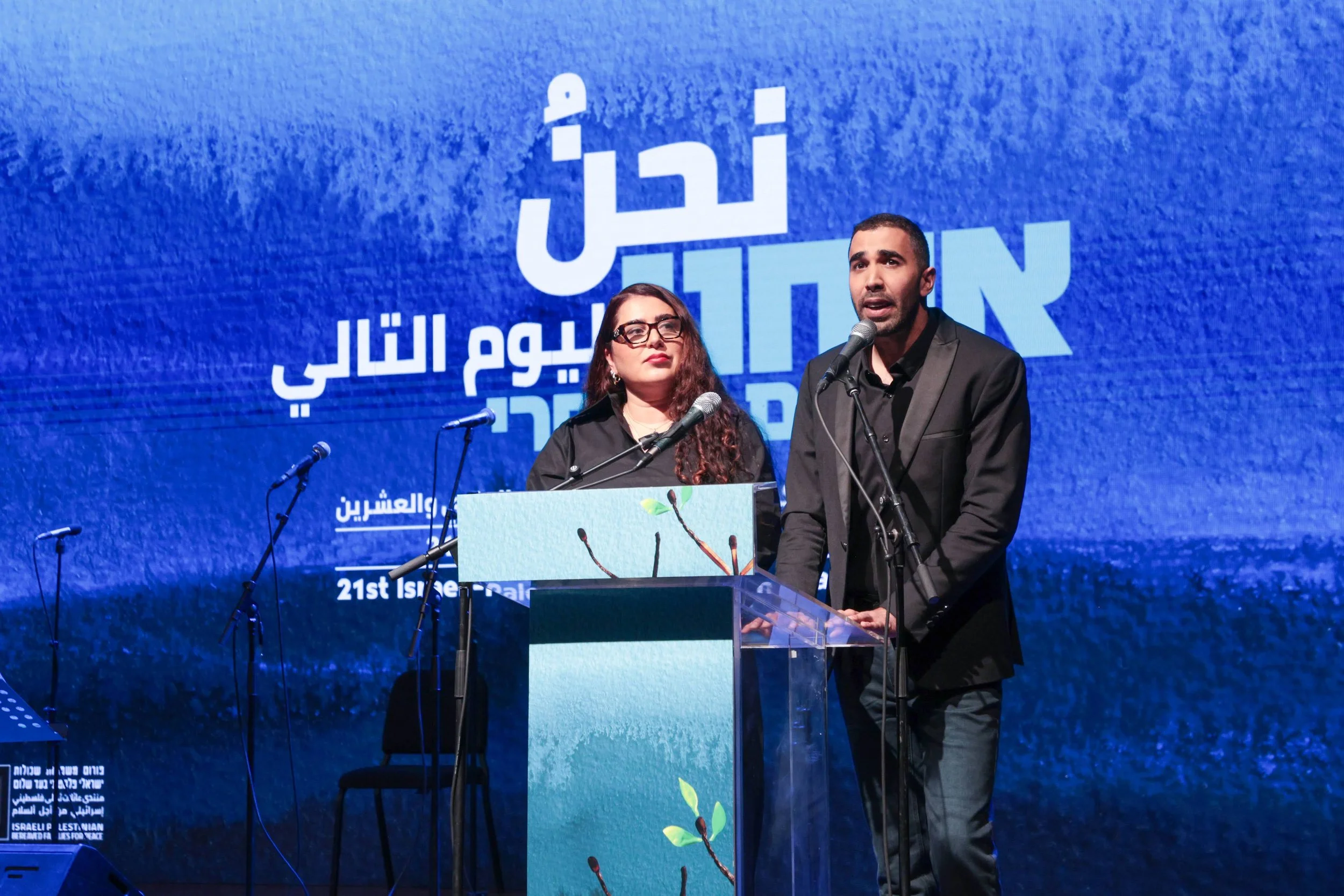
The Joint Nakba Remembrance Ceremony is a unique opportunity to commemorate the pain and tragedy of the Nakba, when in 1948 more than 700,000 Palestinians were forcibly expelled from their homes, became refugees, and saw their villages and cities destroyed. In Israel, even mentioning the Nakba is completely taboo. However, we believe that peace and reconciliation involve a sincere and honest reckoning with this history that didn’t end in 1948 but continues until this day.
We understand that to end the occupation and find a solution to the conflict, we must listen with empathy to each other’s stories and acknowledge injustice to achieve true liberation. Our movement was born out of the personal experiences of its founders who were previously actively involved in violence against the other side.
Founders of our movement share: “We do not seek to deny our violent past but rather work with it, process it, and turn it from a site of conflict into a basis for joint, constructive action. This is how we perceive the history of this land and of the two peoples who co-inhabit it. Our ceremonies are intended to carry the audience—Israelis, Palestinians, and internationals—to past traumas and their lingering legacies, then to the present, in order to build a just, peaceful, and equitable future.”
Each year, we gather on Nakba Day (May 15) to remember the past and find hope for the future together. The Ceremony also raises awareness of the ongoing displacement and ethnic cleansing of Palestinian communities in the West Bank, Gaza Strip, and East Jerusalem, as a result of policies that caused the Nakba and never really ceased.
Past Ceremonies
-
![]()
Sumud in Humanity
2026 CEREMONY
Sumud is not the absence of pain; it is the conscious choice to remain human, especially when circumstances make it easier to dehumanize others. It is the courage to continue believing in justice and shared resistance when despair feels more rational. It means safeguarding our core humanity—dignity, compassion, and moral clarity—even when both history and present realities put it to the test. -
![]()
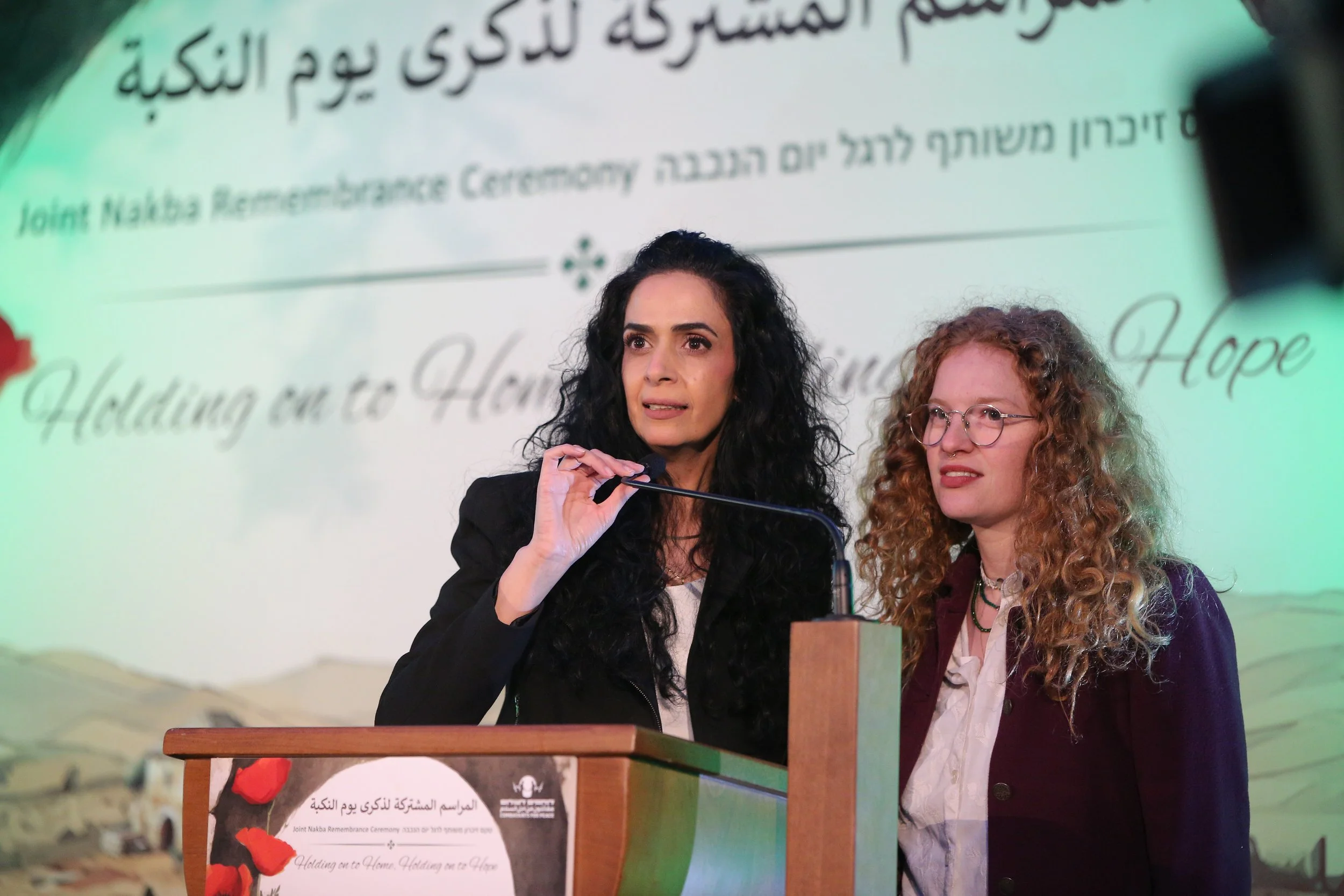
Holding on to Home, Holding on to Hope
2025 CEREMONY
The bloodshed in Gaza since October 7, 2023 is another tragic chapter in a long history of conflict over this land. Like Combatants for Peace, we believe that truly understanding each society’s experience is essential to breaking the cycle of violence and building a shared future. The ceremony is part of that ongoing effort. -
![]()
From Pain to Liberation
2024 CEREMONY
History refuses to let go and old scars are reopened. Once again we see men and women, children and the elderly flee their homes in a hurry. They take with them only what they can carry. Many of their relatives were buried under the rubble of their homes. Their dreams, their hopes have turned to dust. Daughters of refugees, grandchildren of refugees - refugees again. A second time, and a third. -
![]()
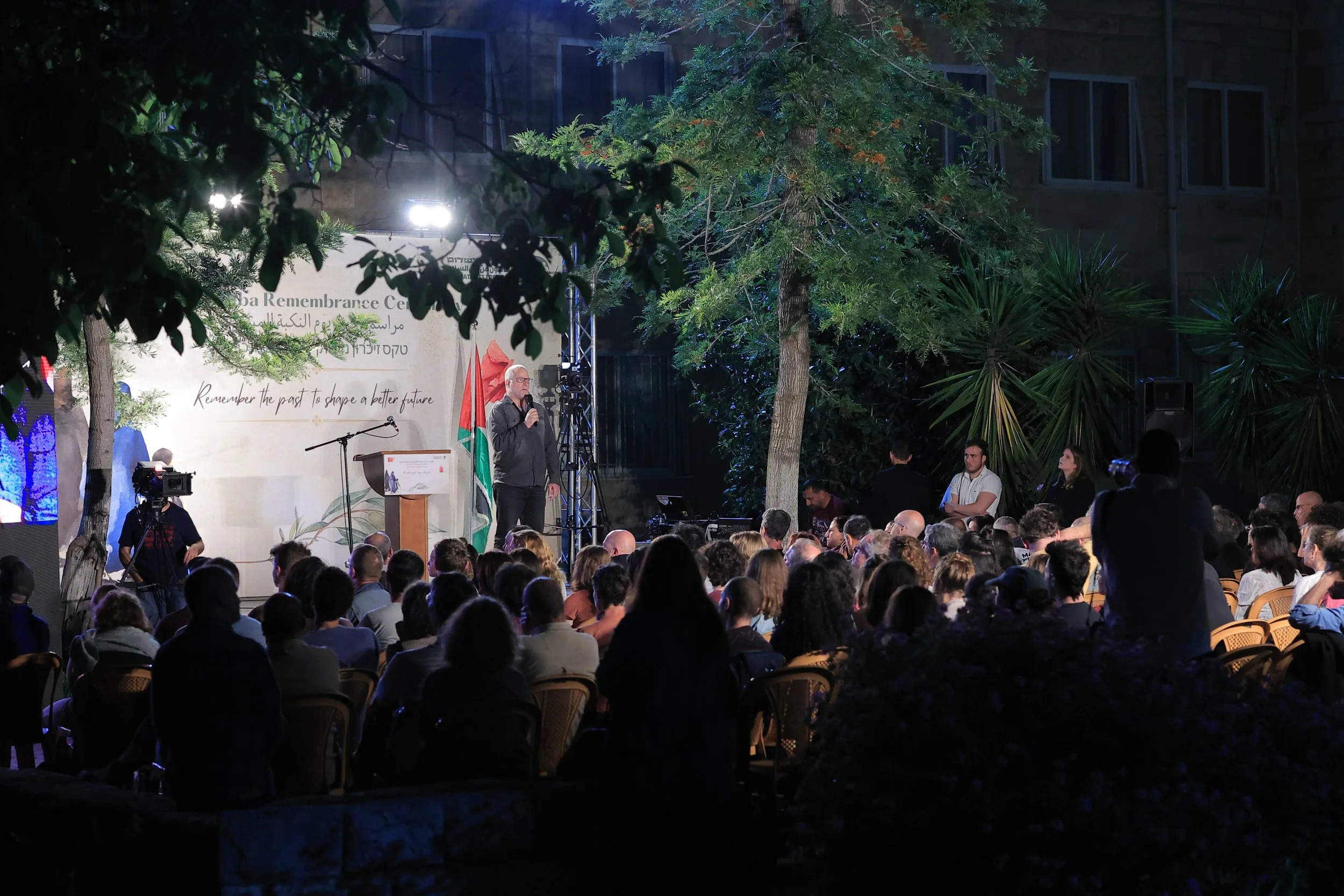
Remember the Past to Shape a Better Future
2023 CEREMONY
For the fourth year in a row, Combatants for Peace held the Palestinian-Israeli Nakba Remembrance Ceremony with the aim of dealing with the past events for the sake of building a better future. We believe that a future of reconciliation, freedom and mutual respect requires us to confront the past honestly and with empathy. -
![]()
3rd Nakba Remembrance Ceremony
2022 CEREMONY
74 years earlier, a different war sent more than 700,000 Palestinians into exile. Back then it was they who carried their children in their arms, headed for an unknown future. They were not allowed to return; their houses were soon reduced to rubble. As far as Israelis are concerned, their stories, their very presence on this land - were also buried in the ruins.