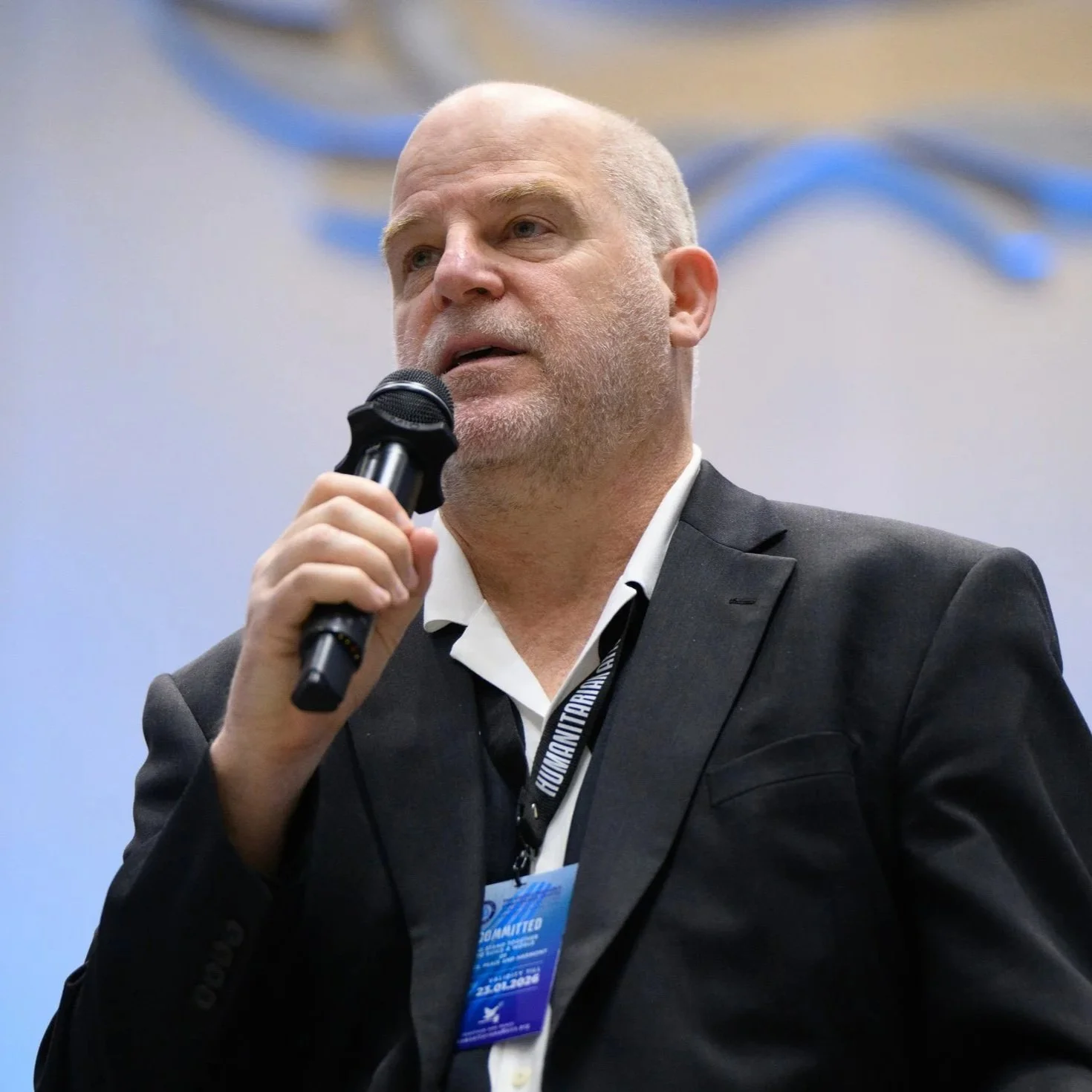
Chen Alon
“I began to realize that in the process of dehumanizing the other, I was dehumanizing myself.”
My grandfather immigrated to Palestine before World War II because he believed in Zionism. He is the only member of his family to have escaped the gas chambers in Poland, and so I was raised with the idea that Zionism literally saved my family's lives. It was not a just theoretical concept.
I believed that enemies who wanted to destroy us surrounded our Jewish state and that men like my father, who fought in the 1967 war, were here to protect us. However, when my father came back from the Yom Kippur war in 1973, he was deeply psychologically damaged and from a very young age, I was exposed to his trauma. I went into the army wishing to fix things, but instead I got locked in the same cycle.
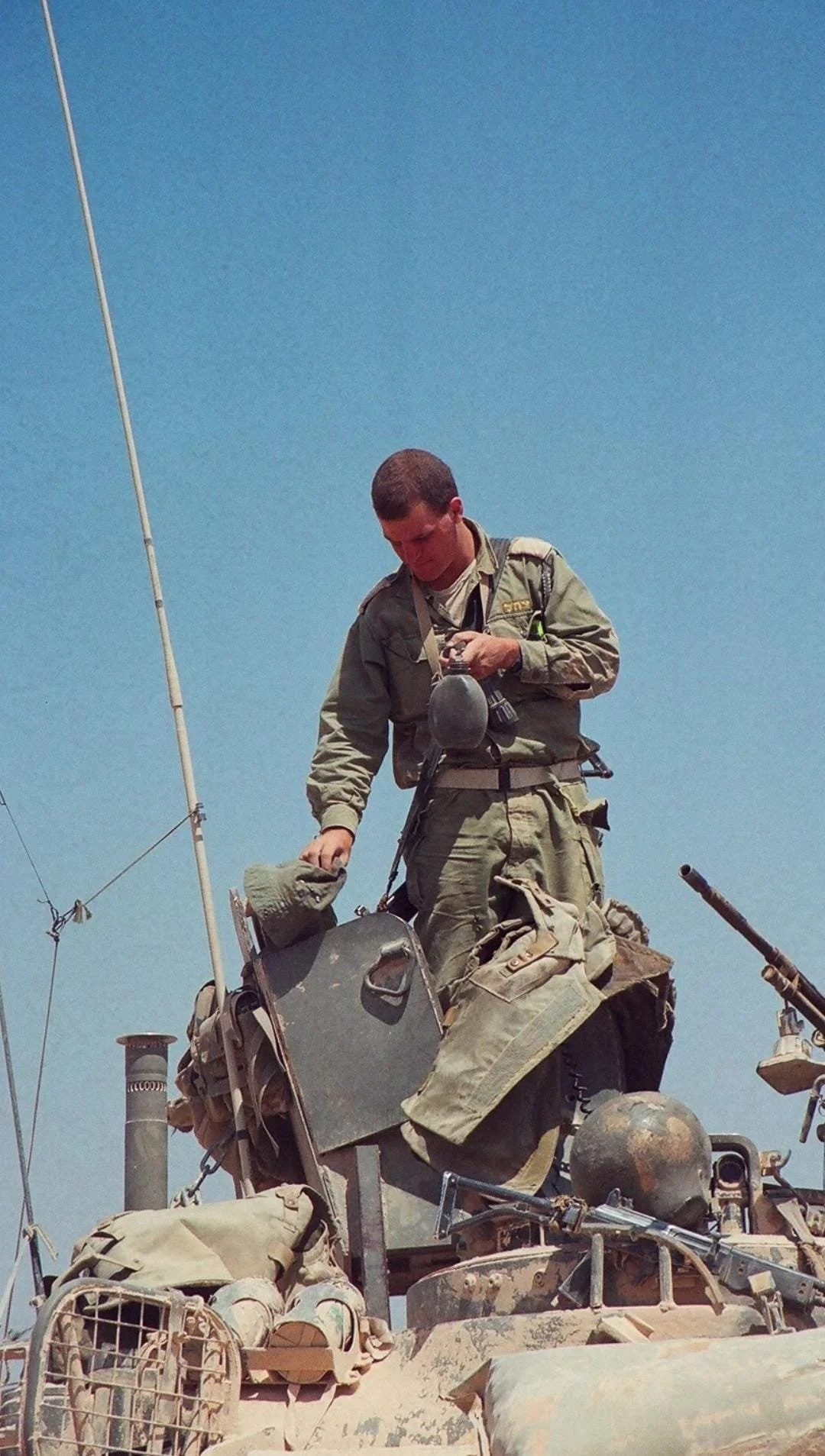
I was drafted in 1987 at the beginning of the First Intifada. Today, I call myself an “occupation scholar” because I was sent everywhere and did everything. The most difficult thing was the arrests.
One night is etched in my memory. We had to find a wanted terrorist. My men surrounded a house and as we entered with our flashlights we saw people sleeping on mattresses all over the floor. We woke someone up and dragged him to the jeep. He was a 10-year-old child. “How could he be the ‘wanted terrorist’?”, I asked myself.
Then, in 2001, came the Second Intifada, when the Palestinians started using weapons, rather than stones. I knew as a reservist that I would now be called up to respond with tanks, not batons. The strategy was to enact a siege and block everything off.
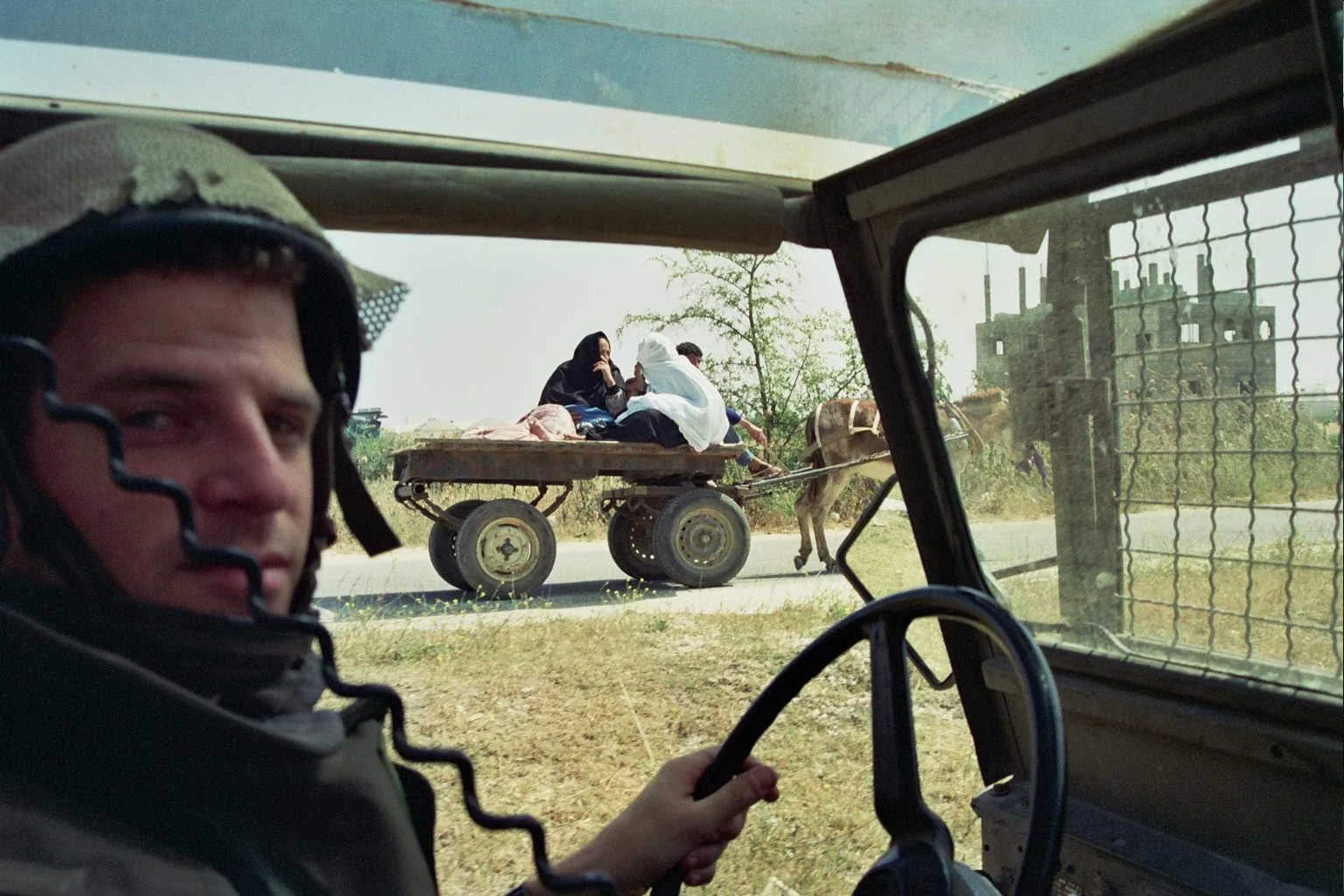
The Palestinian villages in the West Bank became like prisons, with one exit in and out. On one occasion when I was stationed at a roadblock, I was asked to deny passage to a taxi full of sick Palestinian children 一 who didn’t have a permit 一 through to the hospital in Bethlehem. At the same time, I got a phone call from my wife telling me she was having problems picking up our three-year-old daughter from kindergarten.
So there I was, standing on a sand blockade talking to my wife, while sick Palestinian children were waiting in a car. I couldn’t bear it any more: on the one hand I was a kind, devoted father; on the other hand, I was acting very indifferent toward those people. Were these children nothing more than potential terrorists?
My children were human, and yet we had completely dehumanized the Palestinian children. I began to realize that in the process of dehumanizing the other, I was dehumanizing myself.
That same night we got the order to demolish a Palestinian house. I thought at first that it belonged to a terrorist, but I found out later that we were about to demolish it simply because the owner had built an “illegal” balcony. A civil legal mission became a military operation. We came with two platoons, a bulldozer and three tanks. Not surprisingly, the operation escalated into a fierce battle, with the local mosque calling people in to defend the house and to rise up against the Israeli invasion.
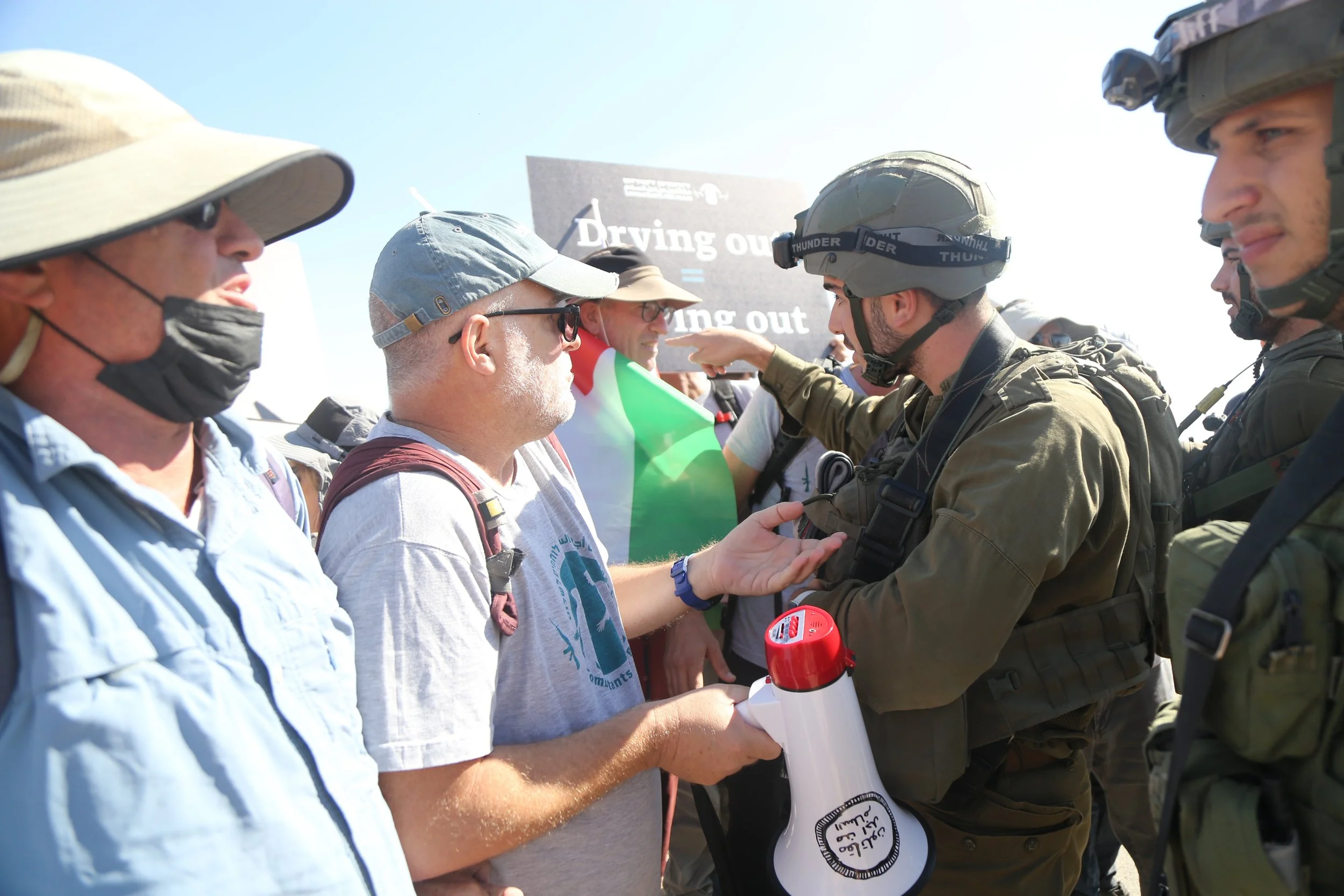
I knew from then on that this was the last time I could do such a thing. When I heard about reservist officers and combatant soldiers refusing to serve in the Occupied Territories, I signed their petition. In the next two years, we became very active trying to convince the Israeli society that the occupation was wrong. We wanted to initiate civil disobedience.
When I decided to publish my name as a refusnik, I warned my parents first because I knew it would be a big scandal. My mother’s reaction was: “Isn’t that dangerous?” That felt ironical. In the army, I had been under constant attack and in far more danger…
There is a common thought in Israeli society that Palestinian mothers care less about their children 一 and the ‘proof’ is that Palestinian mothers send their children to commit suicide attacks. And yet Israeli mothers are willing to sacrifice their children in exactly the same way by sending their children into the army. The mindset is no different.
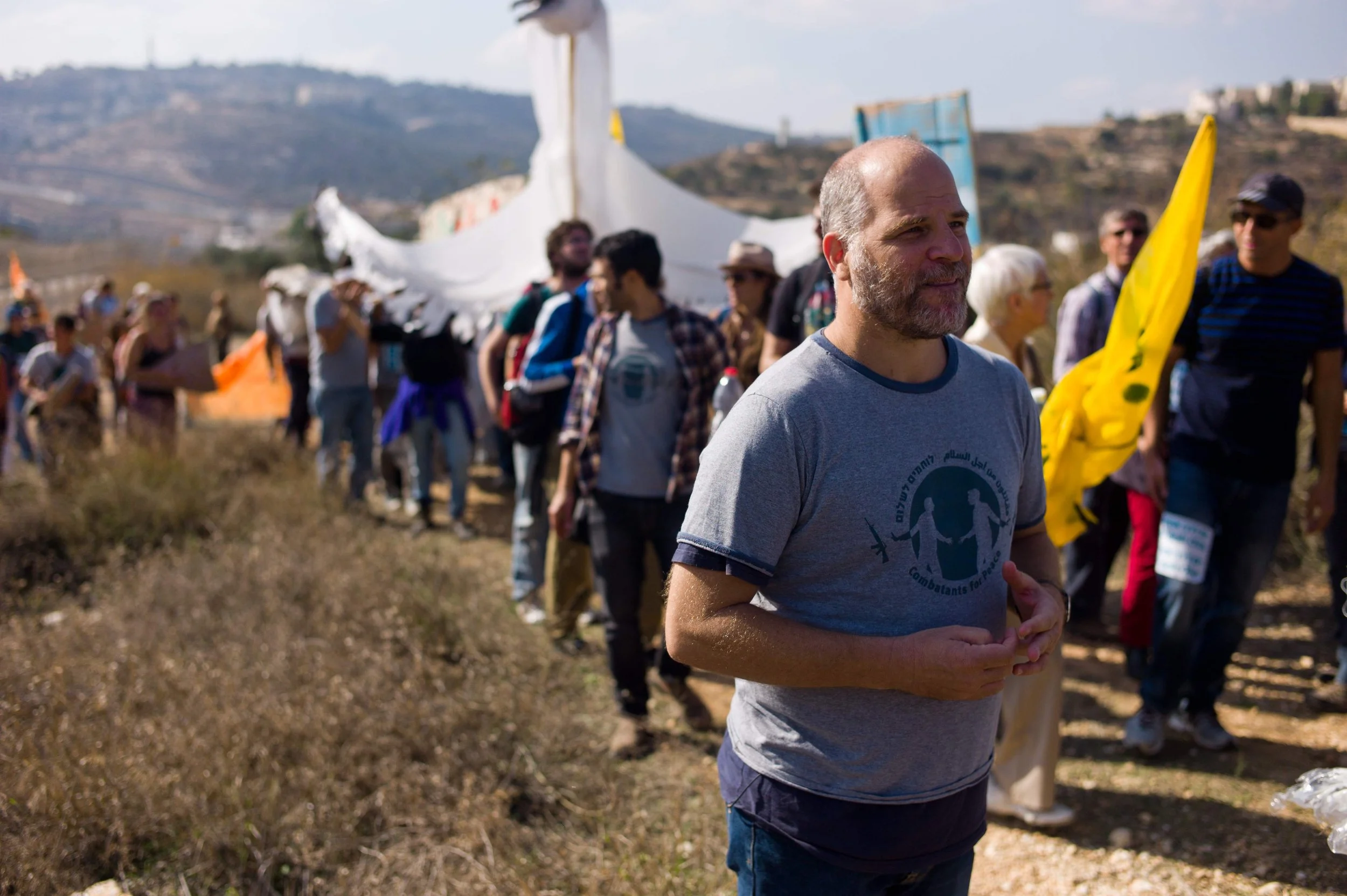
For me, telling my story is not about asking for forgiveness, but about taking responsibility. This is not just about words and emotions, it is about action.
I will only be able to achieve self-forgiveness by creating alliances with Palestinians in a non-violent struggle against injustice and oppression.