Together in our grief, United for a better future
Together in our grief
United for a better future
Joint Israeli-Palestinian Ceremonies are the best alternative to healing our shared pain and collectively building a viable solution.

Israeli-Palestinian Joint
Memorial Ceremony
Israeli-Palestinian Joint
Memorial Ceremony
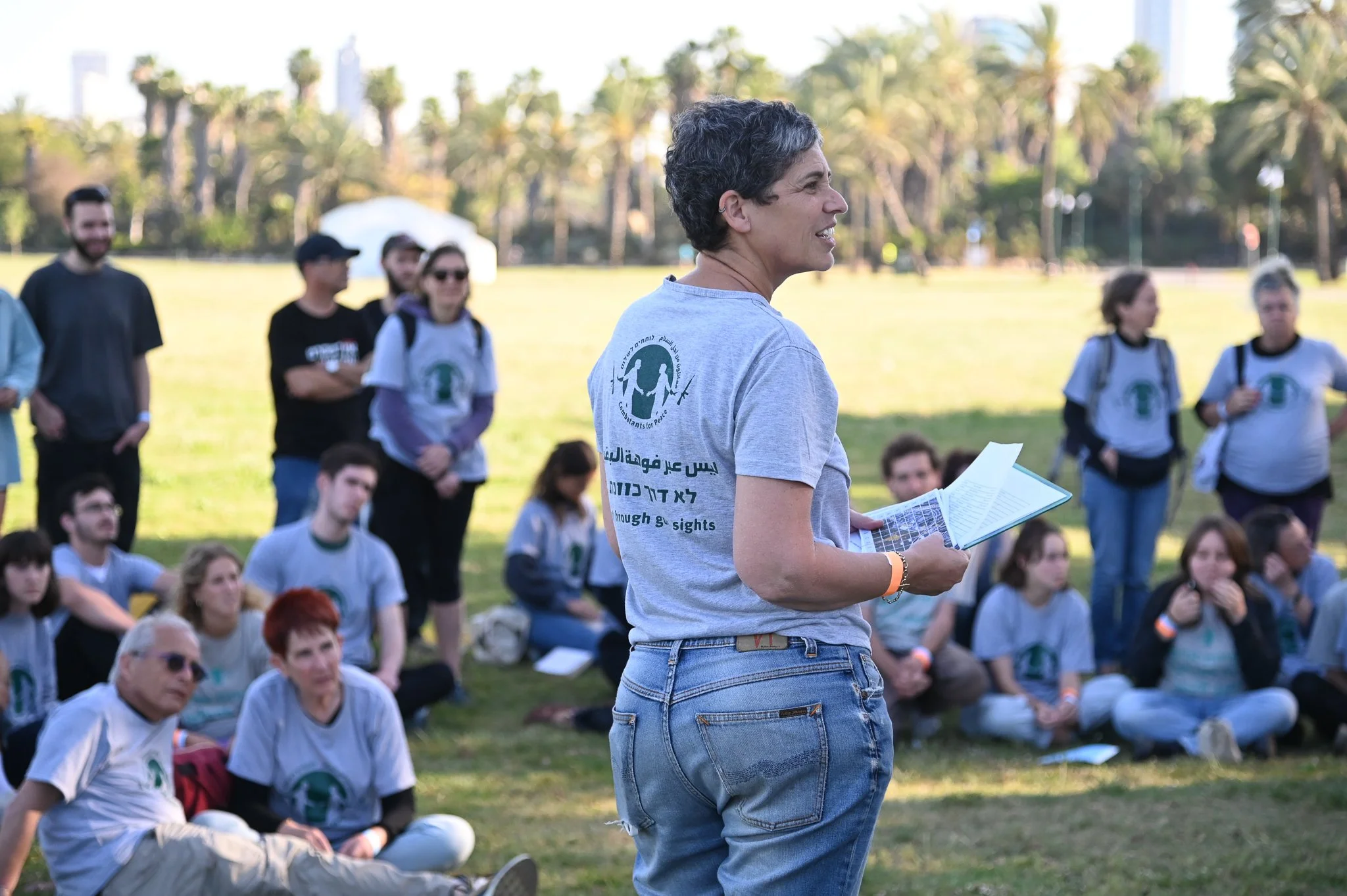
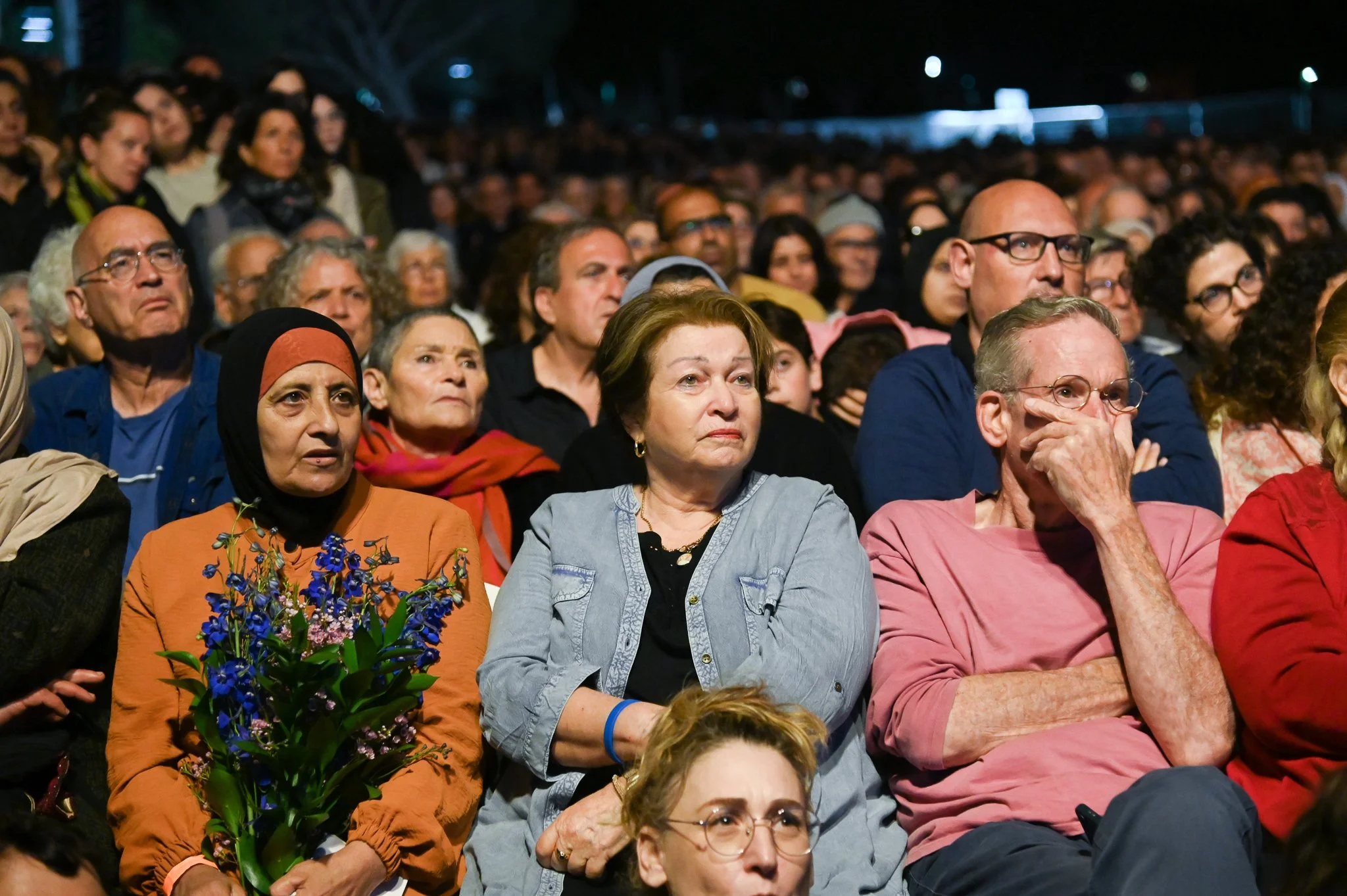
The Joint Memorial Ceremony, organized by Combatants for Peace and The Parents Circle Families Forum, is the largest Israeli-Palestinian jointly organized peace event in history.It provides a unique opportunity for Israelis and Palestinians to grieve together and stand strong in demanding an end to the occupation and violence.
The ceremony occurs yearly on the eve of Yom Hazikaron (Israeli Memorial Day). In Israeli mainstream culture, the ceremonies that are most often held to honor this day serve to reinforce cultural narratives of pain, victimhood, and hopelessness. The Joint Memorial transforms this narrative by bringing Palestinians to the Memorial alongside Israelis to mourn side by side and model another way forward.
“Especially this year, I needed to hear all those voices calling for peace and unity. It actually made me feel hopeful for the first time since October 7. It also made me want to be part of the peace-building movement.”
— An audience member of the 2024 Joint Memorial Ceremony 
Joint Nakba
Remembrance Ceremony
Joint Nakba
Remembrance Ceremony
The Joint Nakba Remembrance Ceremony is a unique opportunity to commemorate the pain and tragedy of the Nakba, when in 1948 more than 700,000 Palestinians were forcibly expelled from their homes, became refugees, and saw their villages and cities destroyed. In Israel, even mentioning the Nakba is completely taboo. However, we believe that peace and reconciliation involve a sincere and honest reckoning with this history that didn’t end in 1948 but continues until this day.
We understand that to end the occupation and find a solution to the conflict, we must listen with empathy to each other’s stories and acknowledge injustice to achieve true liberation. Our movement was born out of the personal experiences of its founders who were previously actively involved in violence against the other side.
“We do not seek to deny our violent past but rather work with it, process it, and turn it from a site of conflict into a basis for joint, constructive action. This is how we perceive the history of this land and of the two peoples who co-inhabit it. Our ceremonies are intended to carry the audience—Israelis, Palestinians, and internationals—to past traumas and their lingering legacies, then to the present, in order to build a just, peaceful, and equitable future.”
— the Israeli and Palestinian founders of Combatants for peace