Sayel Jabareen
“We did not speak the same language but we mourned together. In that moment, all my anger and desire for revenge were gone.”
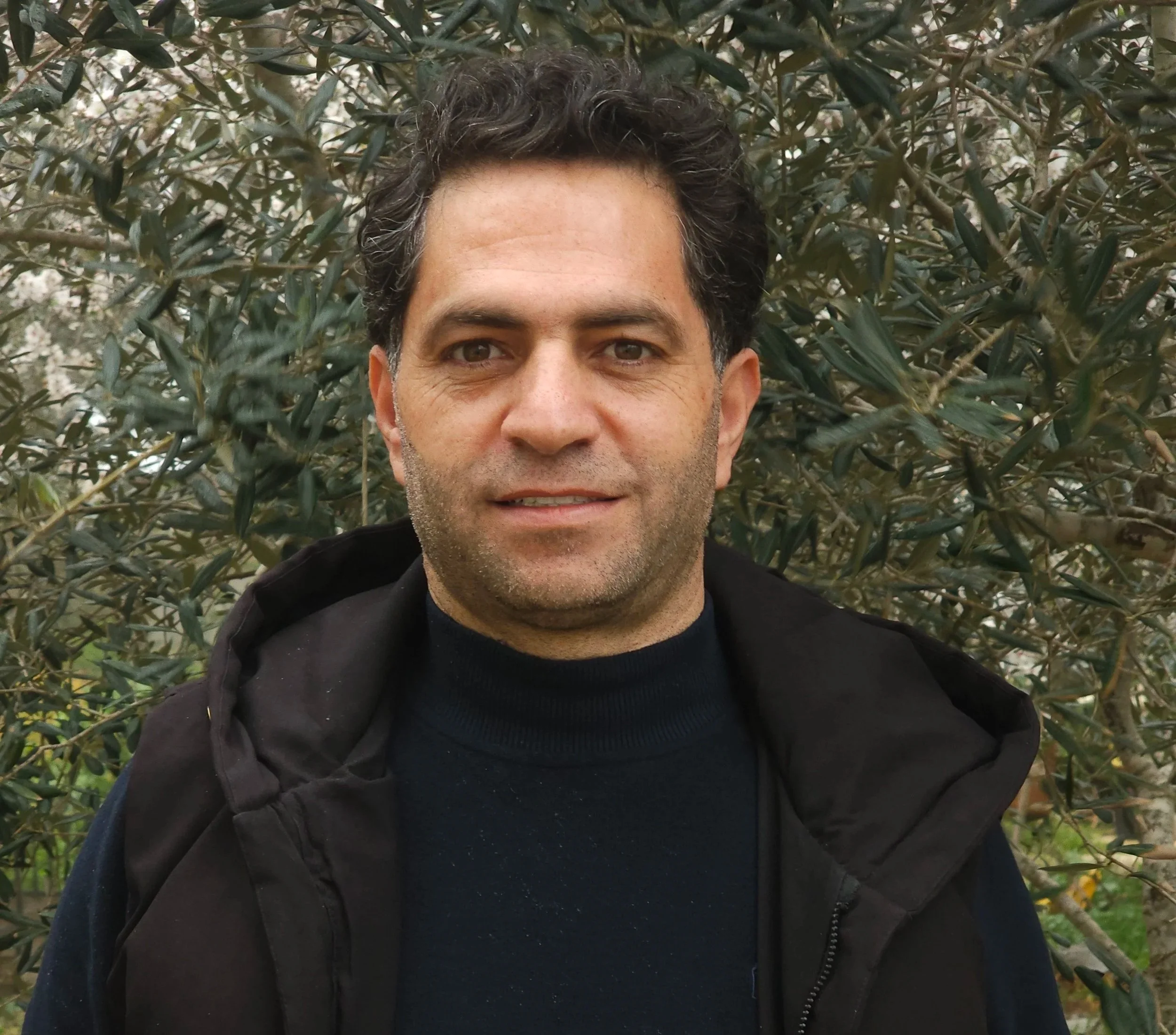
I was born in 1983 in East Jerusalem to a family of farmers and grew up in Sa’ir, a village between Hebron and Bethlehem. When I was a kid, the Israeli army used to break into our home often. My father was a local leader in the Palestine Liberation Organization. He did not accept the Oslo Accords and when the PLO agreed to be part of it, he ceased all his activities within the organization and left it.
I was 15 years old when I heard one day that one of my friends, Arafat, had been hurt. I arrived at the village’s clinic and witnessed him dying from his wounds. Arafat had been shot by an Israeli soldier. For the first time, I began questioning what Israel was and what it meant to live under occupation. For a whole month, my friends and I did not go to school and protested at the place where Arafat was shot.
As I became more aware of our lives under occupation, I started feeling furious and wanting revenge. I wanted to liberate Palestine. I cultivated this anger against Israel for a long time. I was also angry at my people for not ending the occupation sooner. My friends and I wanted to change the order of the Middle East. I was even angry at my father for trying to convince me not to take part in the protests. He was telling me that it was not resistance but a game, and that I was being exploited. But I did not listen.
When the Second Intifada broke out, I was 18. Many Palestinians were killed by Israeli soldiers and I was returning home from the protests covered in blood almost every day. I finished high school and wanted to study Economics and Politics at a university in Egypt. But the economic situation was catastrophic and I had to go to work in order to save money. I went to West Jerusalem for the first time in my life. I was only able to cross the checkpoints because I was born in Jerusalem. I discovered civilian Jewish Israelis who were living normal lives. It was a shock for me: whenever someone was to me, I was even doubting they were Jewish.
I made a Jewish friend named Alon and started hanging out with him and his friends a lot. Alon was killed a few months later in a terror attack carried out by a Palestinian suicide bomber in a coffee shop. I was shocked and could not believe that there were Israelis who were also dying because of the situation. It was hard for me to see Alon as a victim.
I thought about showing support to Alon’s family at the shiva, but I was too afraid to go. I thought I could get killed. After Alon died, I started thinking about my friend Arafat again. How could this be that the only Jewish person I knew was killed 一 Alon of all people?
About ten days later, Alon’s sister, brother and parents came to visit me at work. They had heard that I was afraid to show up at their place. We sat together for a long time and cried. We did not speak the same language but we mourned together. In that moment, all my anger and desire for revenge were gone. I saw Arafat’s parents in Alon’s, and I felt my heart opening. I began hearing the words of my father in a new way, and believing in what he was telling me for years. I began imagining that another life was possible.
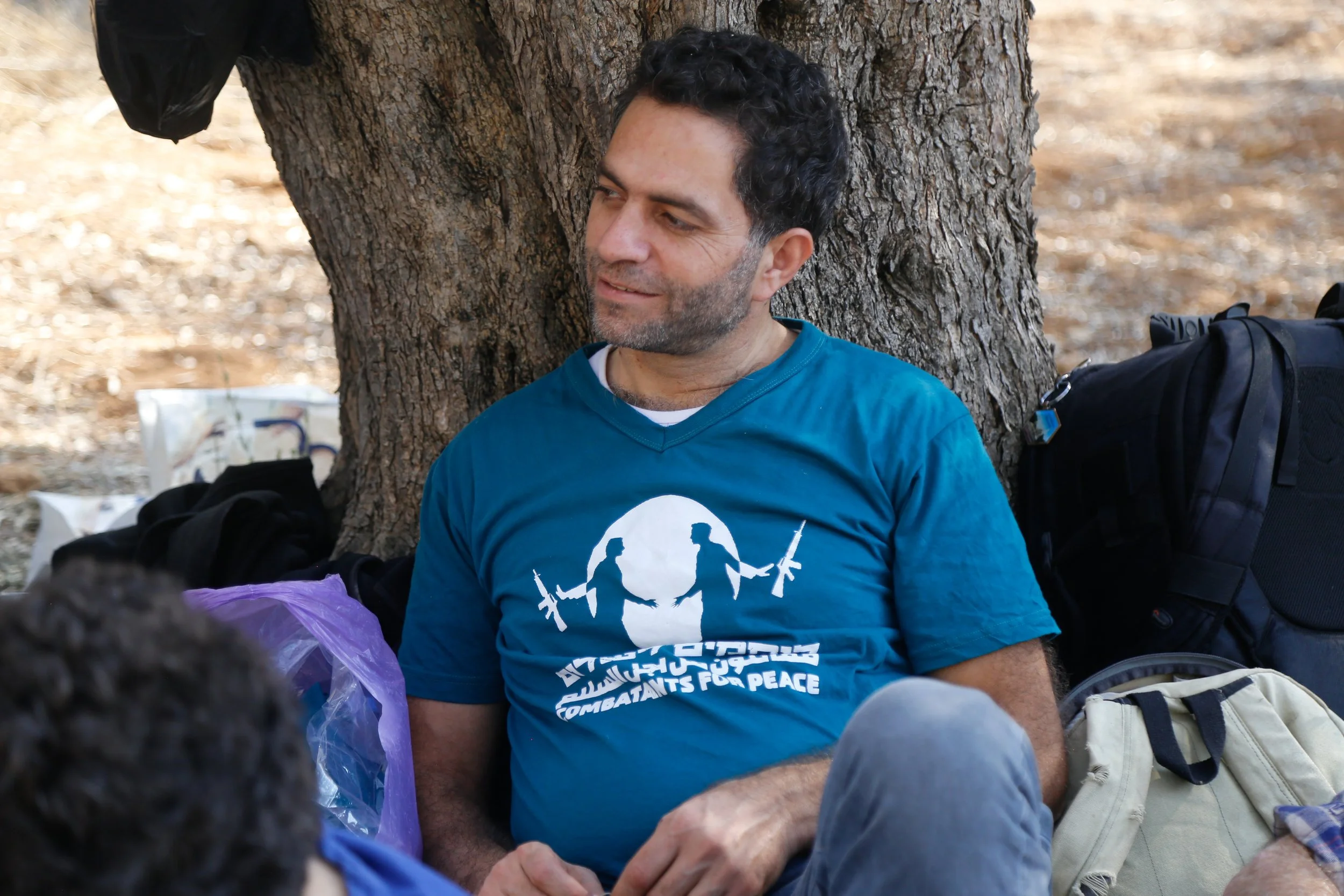
I heard about Combatants for Peace for the first time in 2019. I had never heard an Israeli person speaking against the occupation. The next year, I joined a shared protest against Israel’s annexation of the West Bank and saw Jewish Israelis standing up for Palestinians against the military. I have never left the movement since, because I am convinced that joint nonviolent resistance is the way to ensure a better future for all of us.