Nour Shehadeh
“I lost four of my closest friends. This is when I started to ask myself whether violence was getting us anywhere at all.”
I was born in the Tulkarm refugee camp, north of the West Bank. I grew up in the narrow streets and alleyways of the camp and was raised according to a strong national ethos to love my nation and resist the occupation and the difficult living conditions in the camp. I always aspire to be on the front line of the national struggle to break free from the daily violence, killings and arrests.
In 1972 the Israeli army arrested my father for possession of weapons, and put him in jail. When I was 15, two young men were killed inside the camp, an event that sparked an outrage among the people in the camp. I decided that I wanted to take part in the resistance and got arrested for the first time at a demonstration.
With the beginning of the First Intifada in 1987 and during the following years I was a member of Fatah and rose to become its regional commander. I was a young student at Birzeit University who was taking part in violent resistance against the occupation. A year later they closed the university and I was arrested again. This time I was beaten for my resistance activities. In the end, after yet another arrest, I escaped and became a wanted man.
For three years, I was pursued by the Israeli army. While on the run I became responsible for the political and military wing of the local branch of Fatah. I also got married with Amal, who I had met at a protest where she threw stones at soldiers. We had to escape our own wedding because soldiers tried to arrest me at the event. I was caught in 1990 by a special undercover Israeli unit the day after the birth of my daughter. I spent five years in jail, and heard the news about the signing of the Oslo Accords from my cell, while many other prisoners got released.
In prison, I suffered physical and psychological violence. But I also became a representative for Palestinian prisoners and learned how to use dialogue with the guards to make ourselves heard. After my release, I joined the security forces of the new Palestinian Authority and worked there until the outbreak of the Second Intifada. Once again, I joined the uprising and threw rocks at soldiers. But the Israelis sent tanks and intensified their military operations throughout the West Bank. I lost four of my closest friends and my brother was severely wounded by a bullet. This is when I started to ask myself whether violence was getting us anywhere at all.
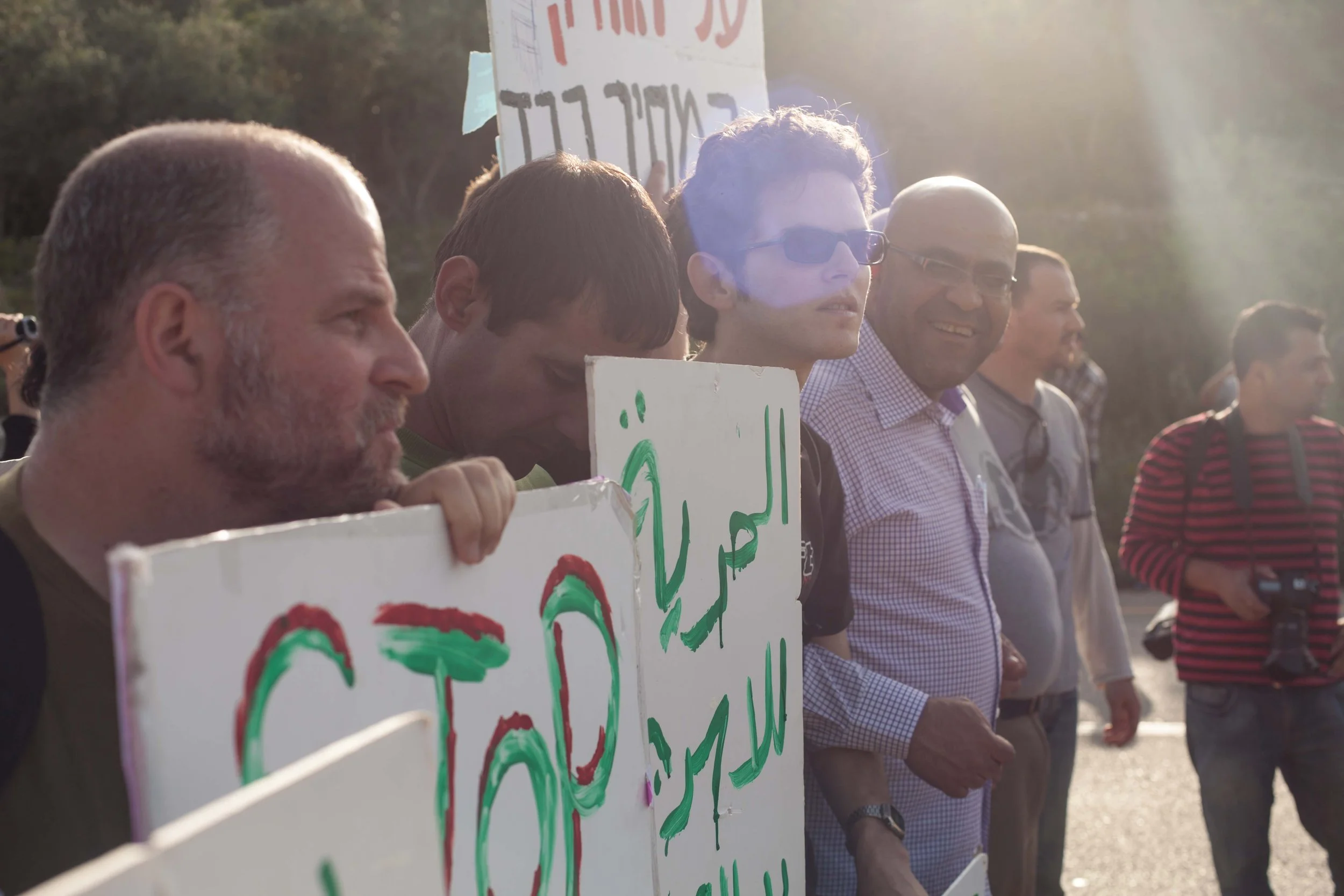
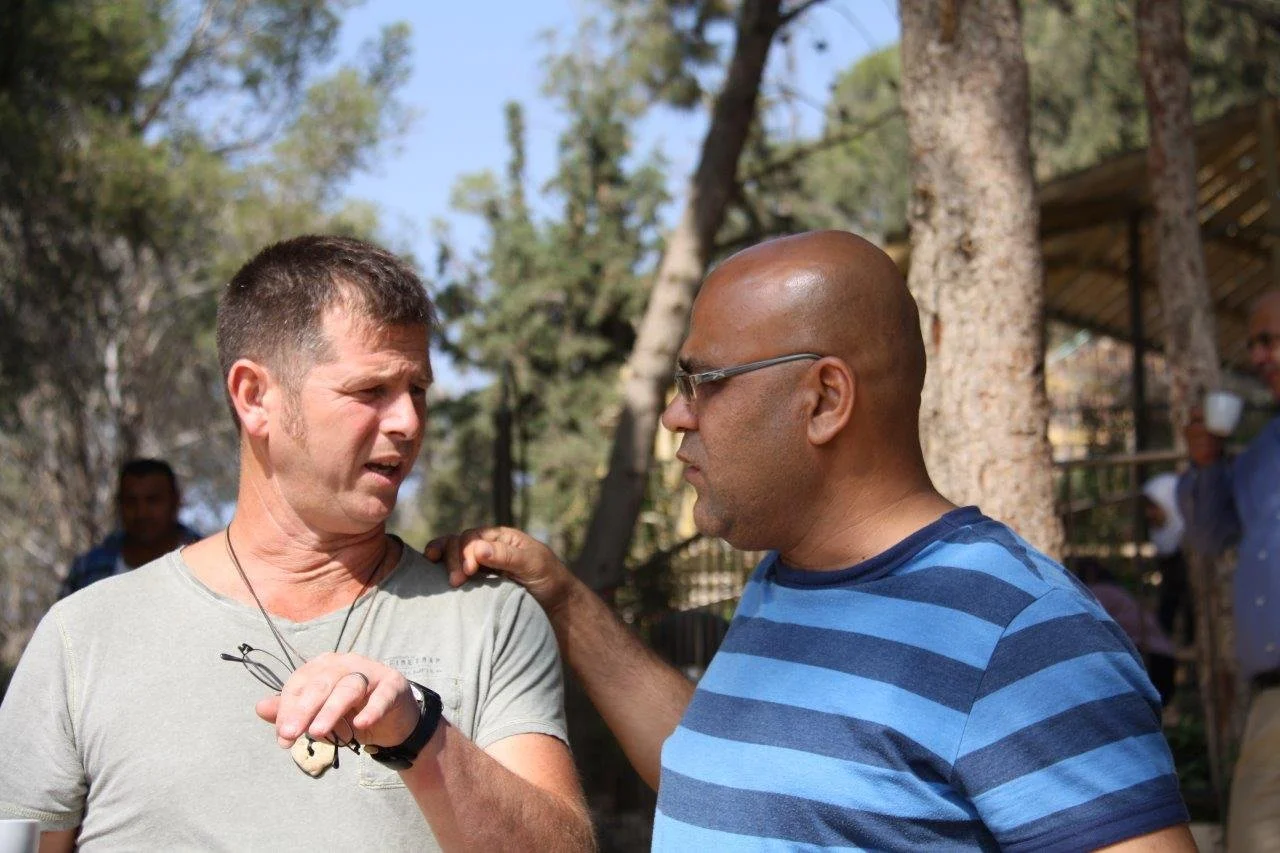
I started reading about nonviolent activism and seeking a way to ensure our rights are upheld that avoids bloodshed. In 2007, I heard about Combatants for Peace and was intrigued but reluctant to join at first, because I could not believe that there were Israeli soldiers who had refused to serve. I decided to meet them and realized they were actually serious in their intentions and approach towards peace.
Today, I believe that working together with former Israeli soldiers who refused to serve in the occupied territories is a form of resistance, and the only way for us as Palestinians to ensure a better future.