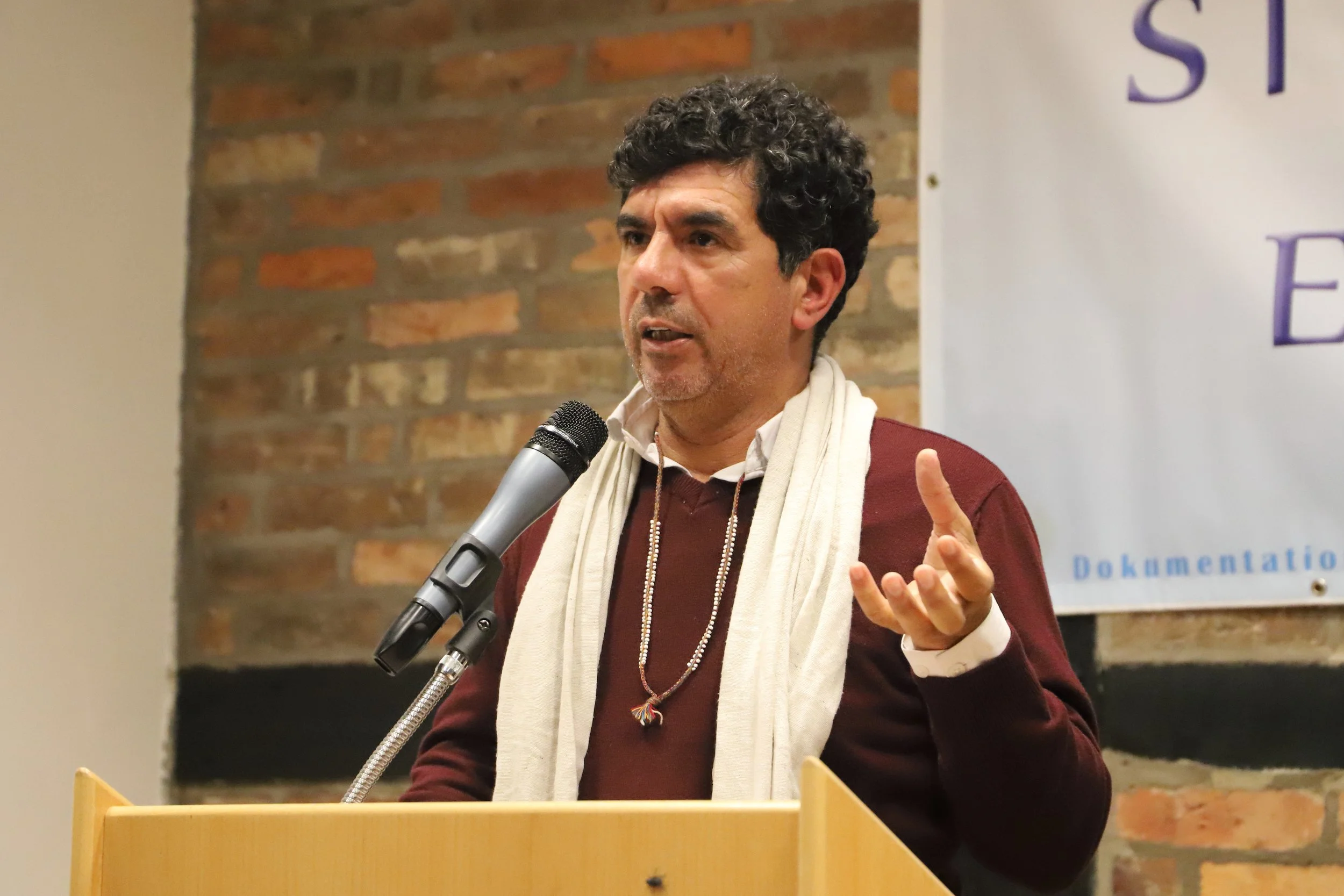
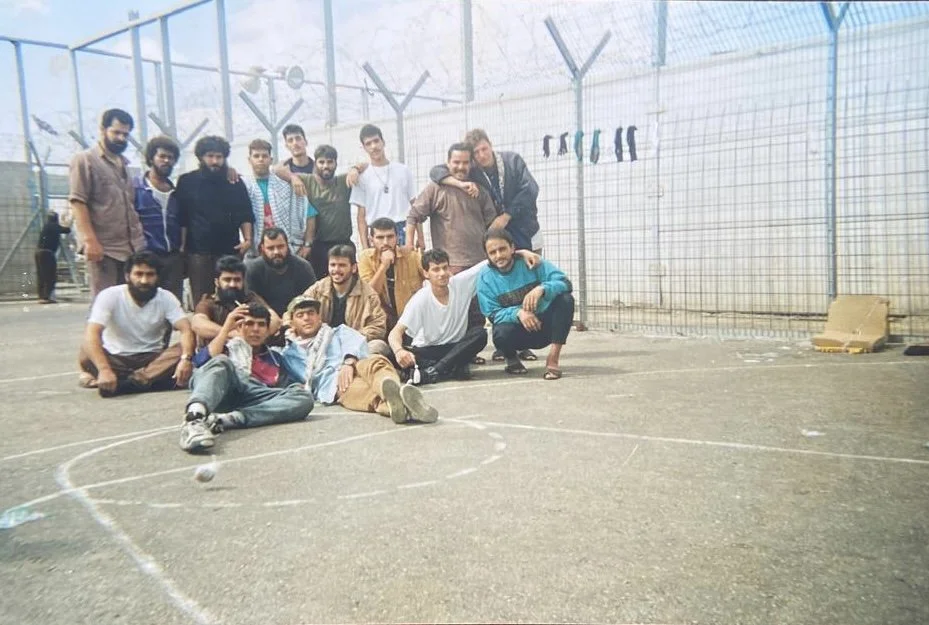
Bassam Aramin
“In prison, I developed a friendship with one of the guards. We both realized we had a lot in common.”
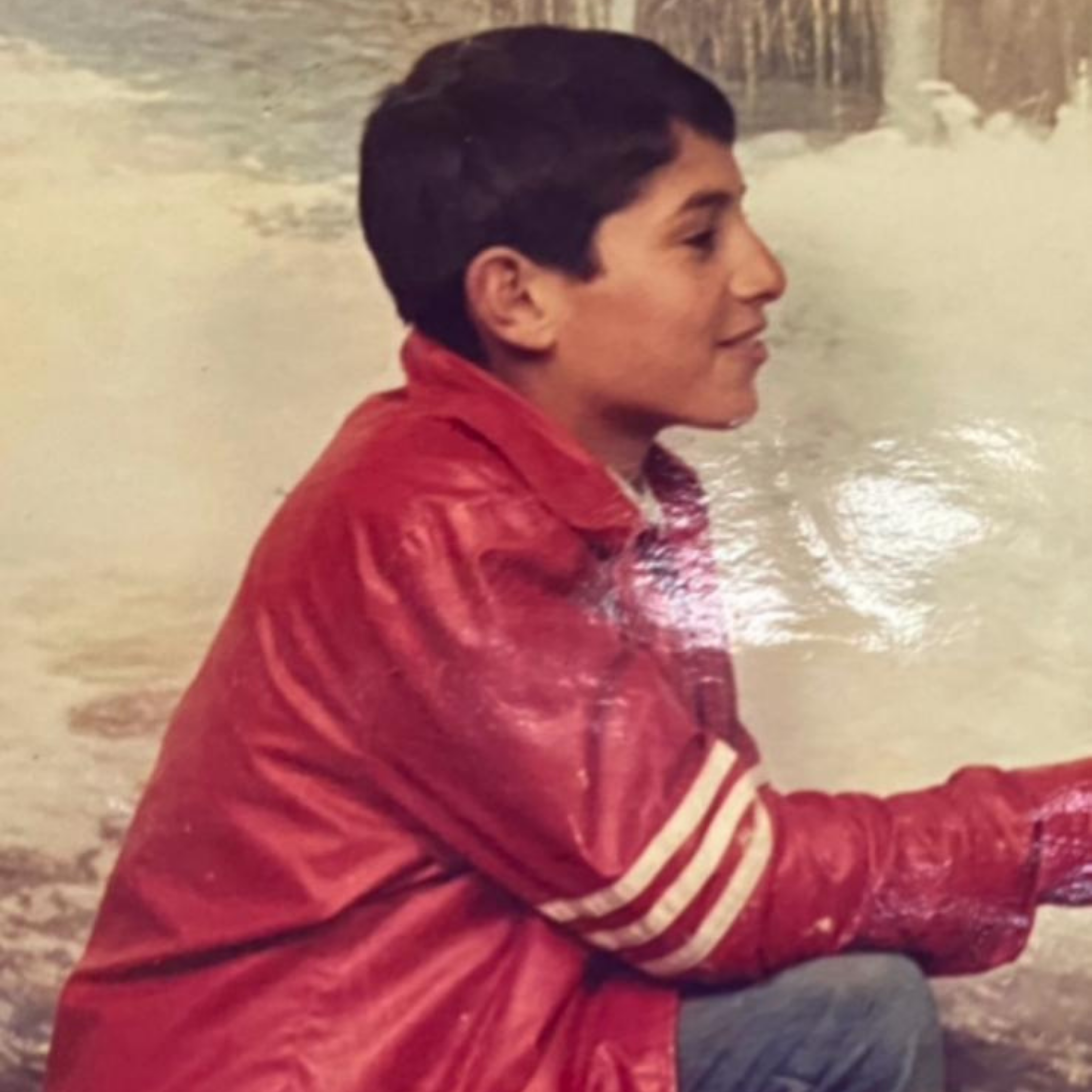
As a child I resisted the occupation by raising the Palestinian flag in our playground. We never felt safe, and spent our time running away from the jeeps to keep the soldiers from hitting us. Our homes were invaded and children got killed. When I turned 12 years old, I joined a protest where a boy was shot by a soldier. I watched him die in front of me.
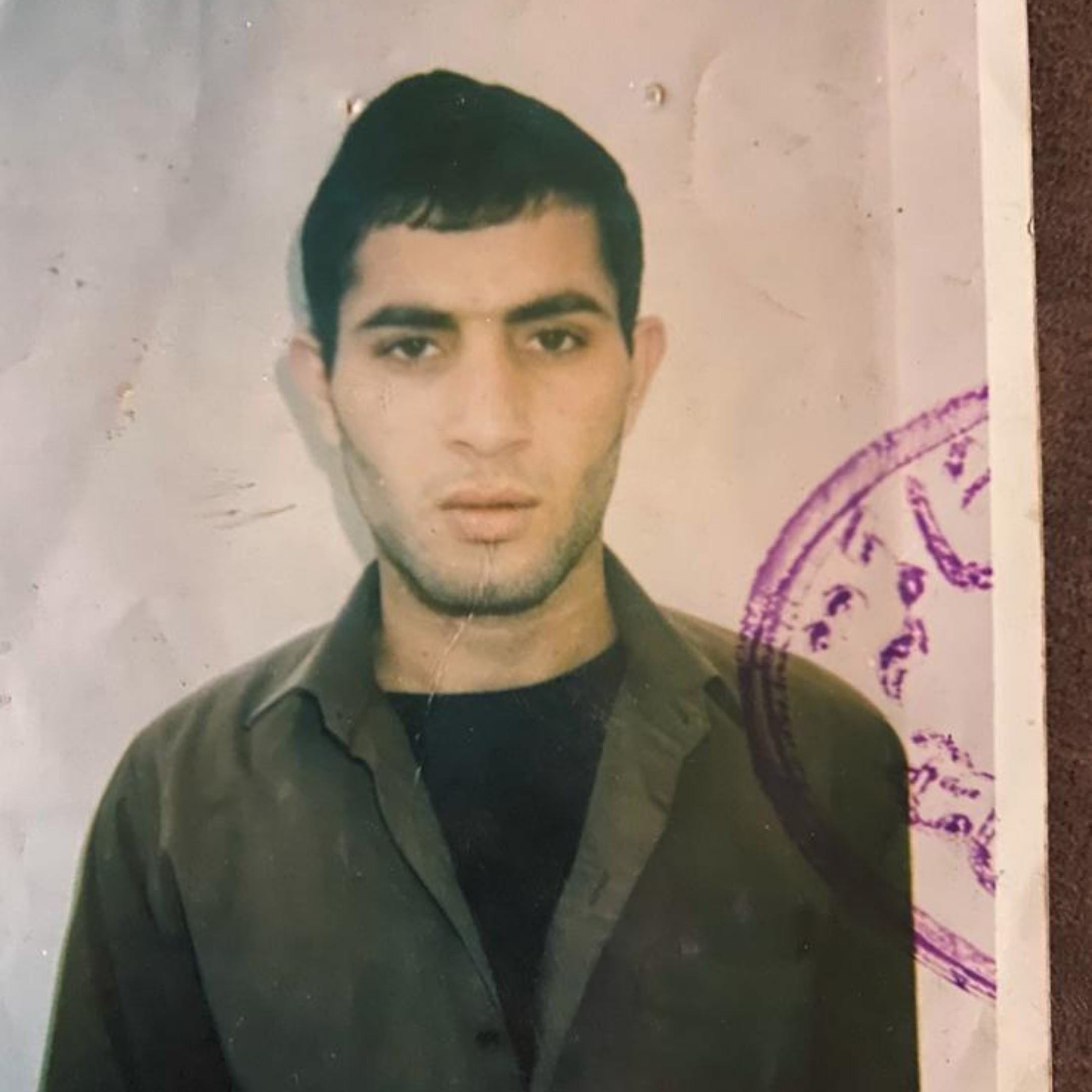
After that, I felt a deep need for revenge. I became part of a group of people who call themselves “freedom fighters” 一 while the outside world was calling us “terrorists.” We started by throwing stones and empty bottles, but when we came across abandoned hand grenades in a cave, we decided to hurl them at Israeli jeeps. Two of them exploded. No one was injured but we were caught and in 1985, at the age of 17, I was sentenced to seven year of prison.
In jail, we were treated like heroes by the other prisoners, but our jailers taught us how to continue hating and resisting. On 1 October 1987, 120 of us 一 all teenage boys 一 were waiting to go into the dining room when the alarms suddenly went off. Over a hundred armed soldiers suddenly appeared and ordered us to strip naked. They beat us until we could hardly stand. I was held the longest and beaten the hardest. What struck me was that all the soldiers had smiles on their faces. It was just a training exercise for them and they saw us as nothing more than objects.
As I was being beaten, I remembered a movie I had seen the year before about the Holocaust. Back then, I had felt happy that Hitler killed six million Jews. I remember wishing that he had killed them all, because then I would never have been sent to prison. But when the movie ended, I had found myself crying and feeling angry that the Jews were herded into gas chambers. If they knew they were going to die, why didn’t they scream out? I tried to hide my tears from the other prisoners who would not have understood why I was crying over the pain of my oppressors. For the first time, I felt empathy for them. Walking between the soldiers who were beating me, I remembered the movie and I started screaming out at them: “Murderers! Nazis! Oppressors!”
The incident with the soldiers made me realize that we had to preserve our humanity 一 our right to laugh and our right to cry 一 in order to save ourselves. I progressively connected the Israeli oppression with the Jewish trauma of the Holocaust, and I decided to try to understand who the Jewish people were. This led to a conversation with a prison guard.
The guards all thought of us as terrorists and we hated them, but this guard asked me, “How can someone quiet like you become a terrorist?” I replied, “No, you’re the terrorist. I’m a freedom fighter.” He really believed that we, the Palestinians, were the settlers, not the Israelis. I said, “If you can convince me that we are the settlers, then I’ll declare this in front of all the prisoners.”
It was the start of a dialogue and a friendship. We discovered we had many things in common and a few months later, the guard said he understood now that we were not the settlers. He even became a supporter of the Palestinian struggle. From then on, he always treated us with respect, and even smuggled in two bottles of Coca Cola for us once. Seeing how this transformation happened through dialogue and without force made me realize that the only way to peace was through non-violence. Our dialogue enabled us both to see each other’s purity of heart and good intent.
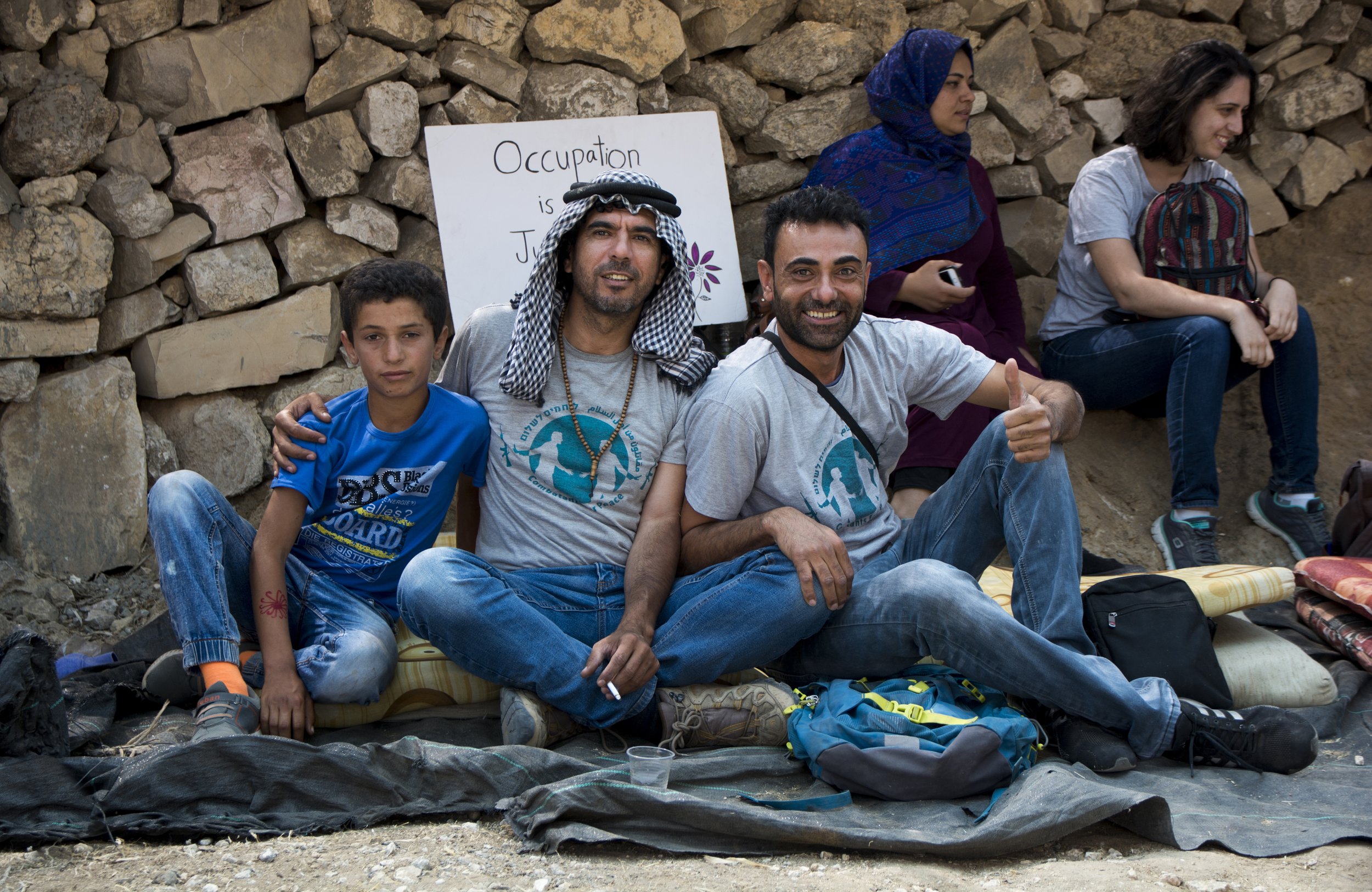
I was released at the time of the Oslo Accords. There was a great feeling of hope for a two-state solution. But it never happened because politicians said we were not ready for it. I think if I had not had such strong beliefs and principles, anger would have taken over. It was not until 2005 that some of us who believed in non-violence started meeting in secret with former Israeli soldiers. We were meeting as true enemies who wanted to speak. These Israelis had refused to fight, not for the sake of the Palestinian people, but for the sake of the morals of their society. We too were not acting to save Israeli lives, but to prevent our society from suffering more. It was only later that we both came to feel a responsibility for each other’s people.
There is a much darker side to my story. On 16 January 2007, my ten-year-old daughter Abir was shot and killed in cold blood by a member of the Israeli border police while standing outside her school with some classmates. She was not posing any threat; she had just bought sweets at the store and had not had the time to eat them.
For more than four years, I attempted to prove to the judges of a civil court that my daughter had been killed with a rubber bullet. My goal was to bring the soldier responsible to trial, but the Israeli Supreme Court ruled that there was not enough evidence and closed the file.
I believe in justice and hundreds of my Israeli and Jewish brothers around the world support me. I want to bring this man to justice because he killed my ten-year-old daughter, not because he is an Israeli and I am a Palestinian. I need Israel to recognize its crimes for me to consider to reconciliation and forgiveness.
Abir’s murder could have led me down the easy path of hatred and vengeance, but I was already engaged on a path of dialogue and non-violence. One Israeli soldier shot my daughter 一 but one hundred Israeli ex-combatants built a garden in her name at the school where she was murdered.