Aisha Khateeb
“I thought about revenge, hoping it would take away my pain, but I realized that further violence and killing could never lead to peace or justice.”
In 1989, my brother, Mahmoud, was shot by Israeli forces. He was just 17 years old, walking to our uncle’s house, when nearby Palestinian youth gathered together, threw stones, and shouted at soldiers. The soldiers began to shoot, and a bullet went through Mahmoud’s heart and out of his back. He was taken to a hospital, where they saved his life. Though he was spared, the doctor told my father that his heart could fail at any moment.
Ten years later, Mahmoud got married. Thirty-six days after the wedding, his heart gave out, and he passed away. He was only 27 years old. His passing had a devastating effect on my entire family. Losing him was the hardest thing I ever experienced, and the pain will never go away.
After that, I began to think about revenge, hoping it would take away my pain. I realized, however, that further violence and killing could never lead to peace or justice and would not honor my brother.
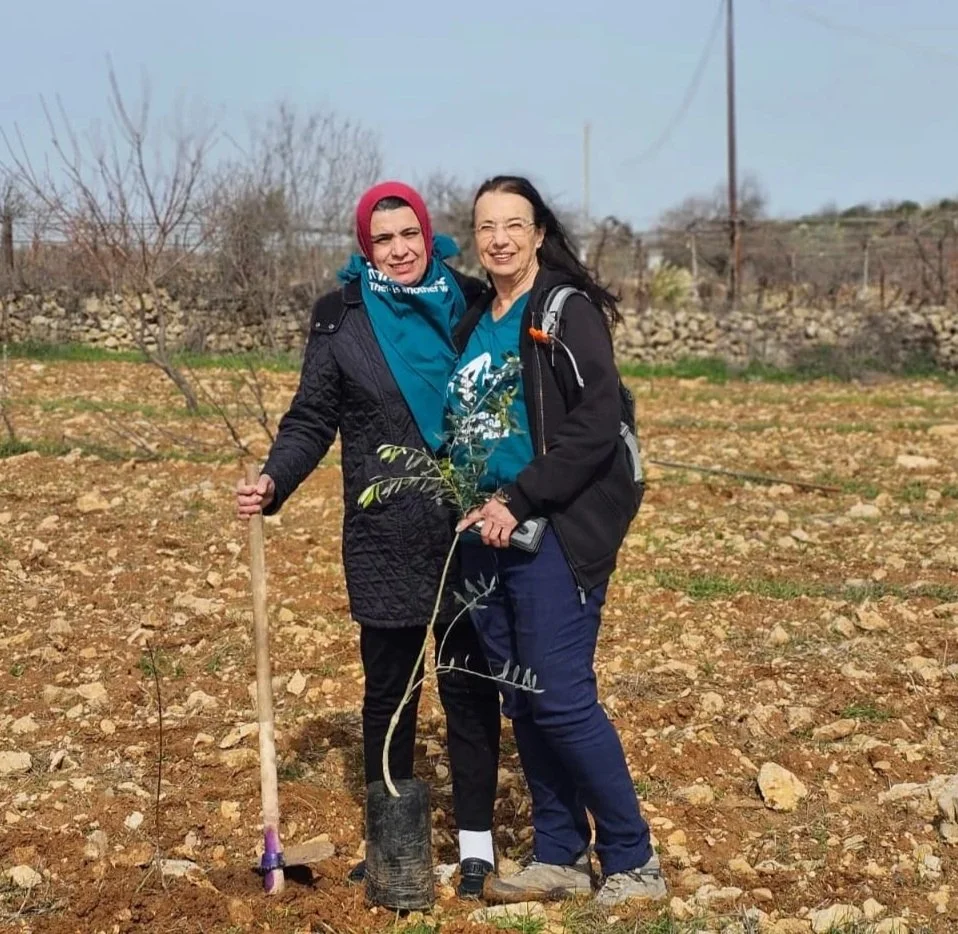
Longing to heal and create change, I began meeting with other Palestinians and Israelis who had lost loved ones, opposed further bloodshed, and believed in each other’s humanity.
Arabs and Jews, Palestinians and Israelis, everyone has a family. I didn’t want one more person to lose a loved one to this violence. We have suffered and lost enough.
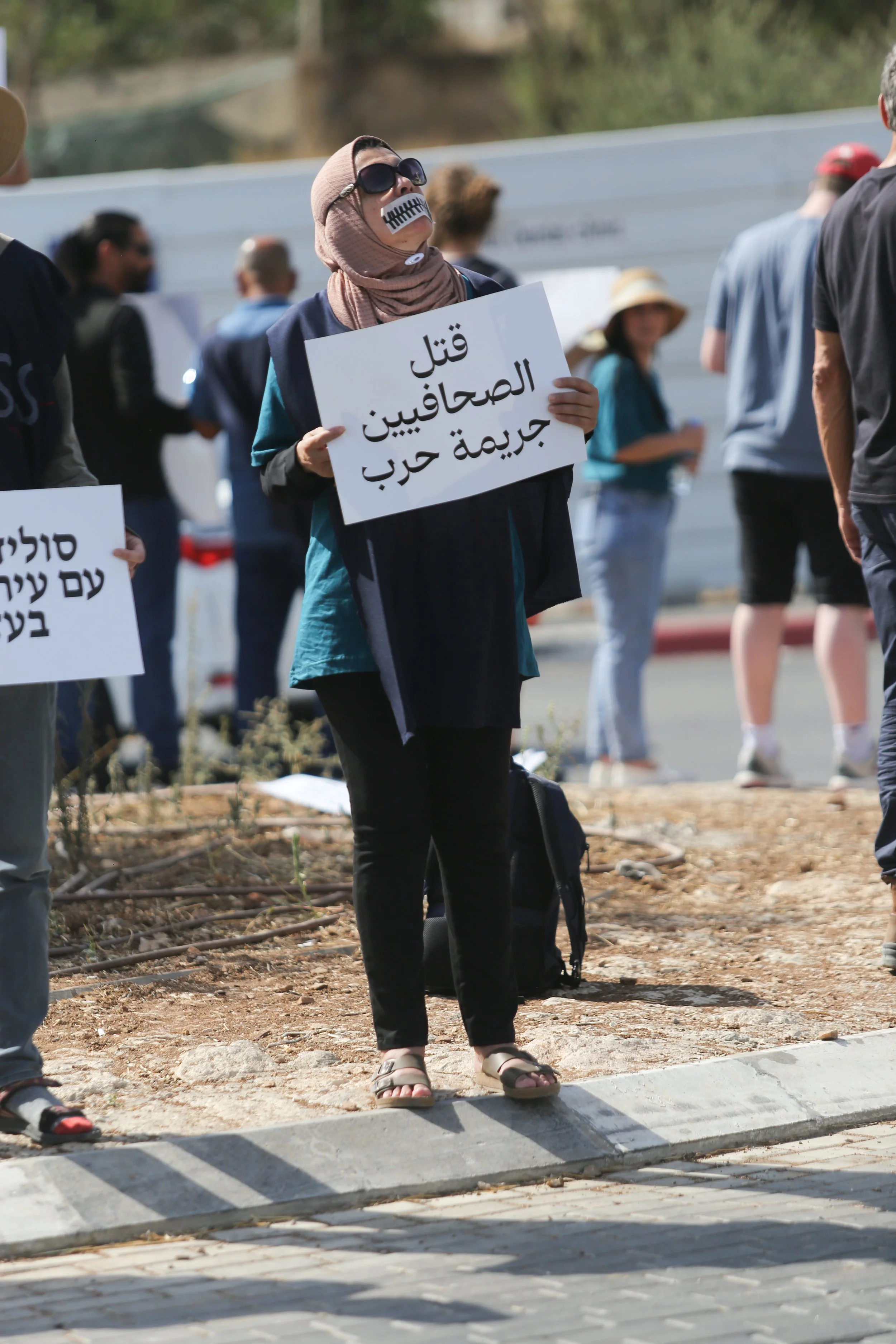
Today, I am a school principal and I live in Nablus, where the occupation, checkpoints, and frequent invasions by Israeli forces impact our lives. Every day, I worry for the safety of my children. Yet, I am committed to co-resisting the occupation through nonviolent means.
I serve as CfP’s Joint Women’s Group Coordinator. Through our group, Palestinian and Israeli women build an inclusive community, and I help equip them with the tools to lead their societies toward a more equitable and peaceful future. By protecting all life, we are honoring our families and peoples.