Tuly Flint
“I believed in an ‘enlightened occupation.’ I was wrong.”
As a teenager, my family moved to a settlement called Sha'arei Tikva. I worked alongside Palestinians in building the settlement: I was a high-school student from the Negev trying to earn some money, and they were residents of the nearby villages (Azzun-Atma, Beit Amin and Khares), trying to make a living. Through work, I got to know them and their families.
When I was 18, I worked for about six months as a tour guide at the Ma'ale Efraim Field School. I knew the Nablus area and the villages around it, and I thought at the time that maybe we could live together, with Palestinians under occupation, just the way we were already doing. I did not see anything wrong about the situation.
Right after that, I joined the Golani Brigade — an infantry brigade — because I wanted to contribute as much as possible to my country. I became a company medic, fought in military operations and treated the wounded on both sides. Then, I went to an officers' course and returned to Golani as a young officer. During the First Intifada I was sent to Gaza as a platoon commander. We received orders to "break hands and feet" — orders that I refused to follow, although I did other things that I regret today.
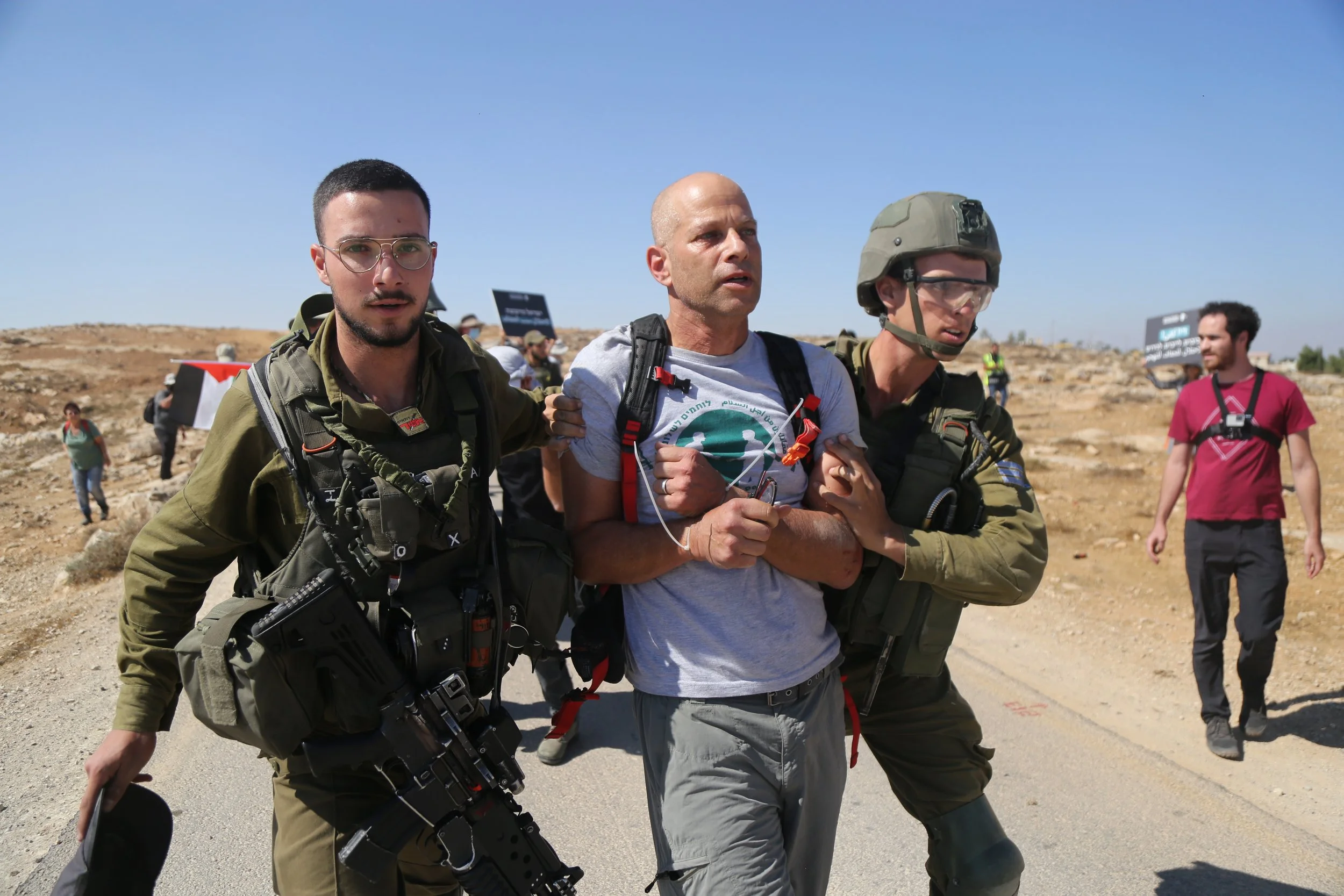
I decided to stay in the army because I gave myself a mission to educate. I wanted to have an influence from within, to fight as “humanely” as possible. I have been sent to the Occupied Territories many times and I had done everything that was required of me — arrests, roadblocks, and house demolitions — all in a way that I thought was “humane” for the Palestinian population. I believed in an "enlightened occupation.” I was wrong.
When I completed my years of service, I went to university and graduated with a Bachelor’s in Social Work and a Masters in Clinical Practice. I began to focus on treating trauma and post-trauma, mainly in the context of war and terror. But I was still in the reserve forces, and I kept advancing in rank. During the Second Lebanon War in 2006, I was already a deputy battalion commander and later became a lieutenant colonel. I had 700 soldiers under my command.
The 2014 war in Gaza left me in complete shock. I was already a therapist in the army at the time, and I witnessed first hand the suffering of the Israeli soldiers and the Palestinian civilians. I re-discovered what I had always known deep inside: the eyes and gaze of traumatized people are the same on both sides. Broken eyes asking: “And now what?”
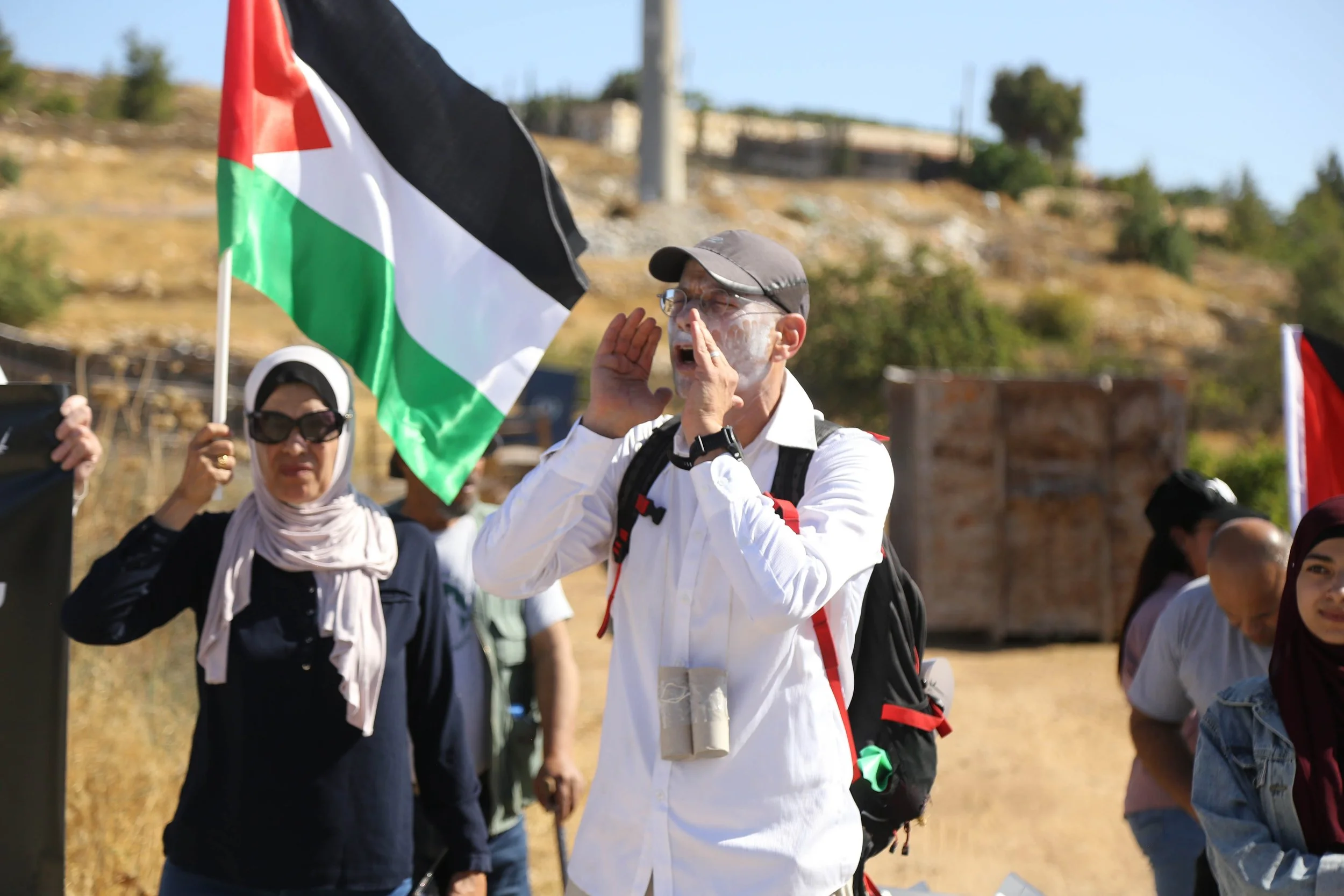
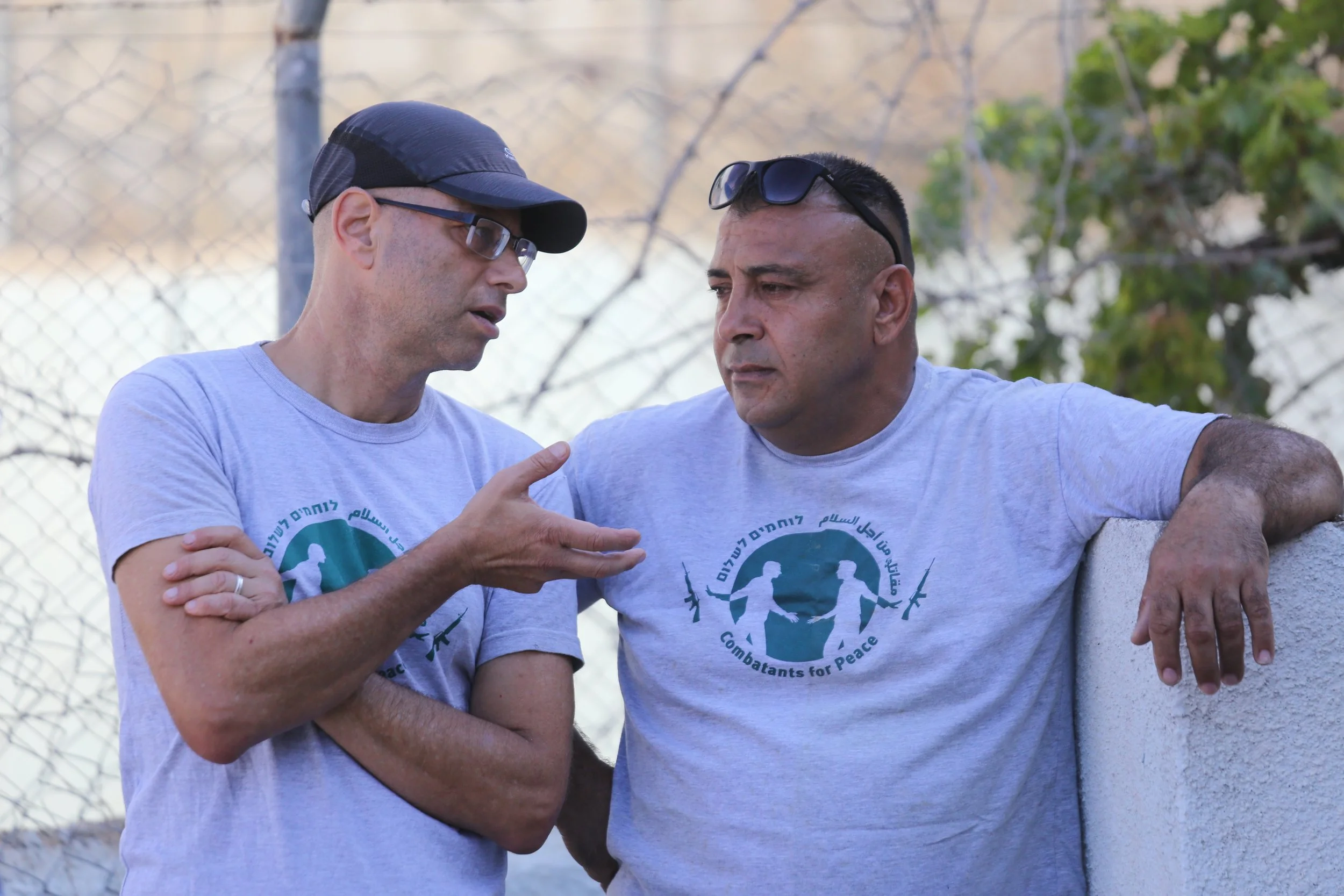
I did not become a peace activist because of a specific event that happened to me; it was a continuum of unnecessary suffering on both sides that I kept witnessing. I eventually joined Combatants for Peace and started working together with former Palestinian fighters. It is healing my heart every day.